

Con moto moderato
Should you need a score you can find one here.
To be honest, this is the movement that speaks less Italian to me.
It's somewhere near a lovely courtly menuet, which would sit well in Venice as much as in Vienna. The structure is a clear ABA with a coda. The first theme is presented by the violins in octaves. It's curious though that they enter alone.
Almost like a 2 bars introduction, following the pattern of the first 2 movements. In fact, we're starting on the dominant, and when the other strings join in on bar 3 they remain on the dominant harmony. The A major only arrives on the 5th bar
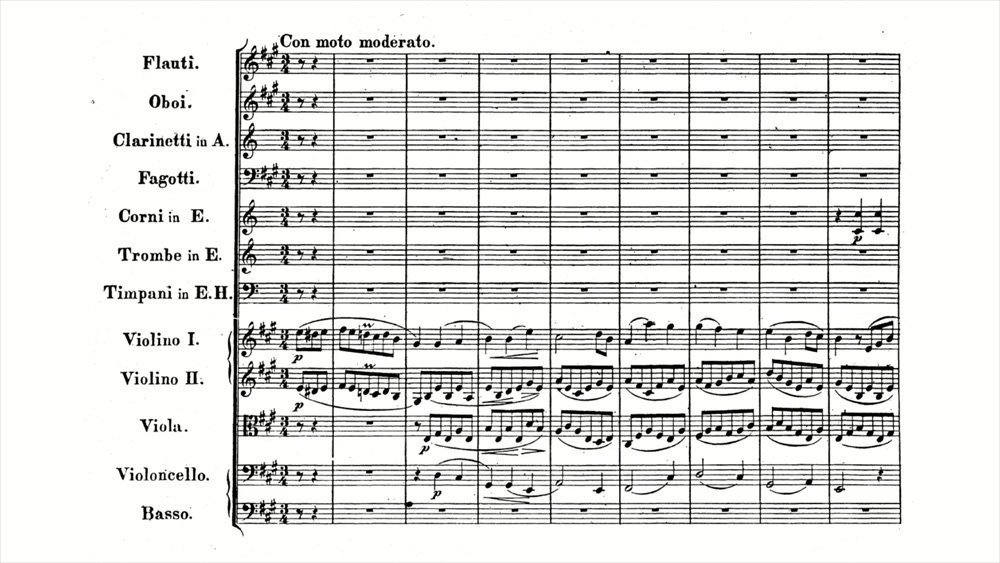
A little weight is added by the entrance of the horns and the double basses on bars 8 and 9
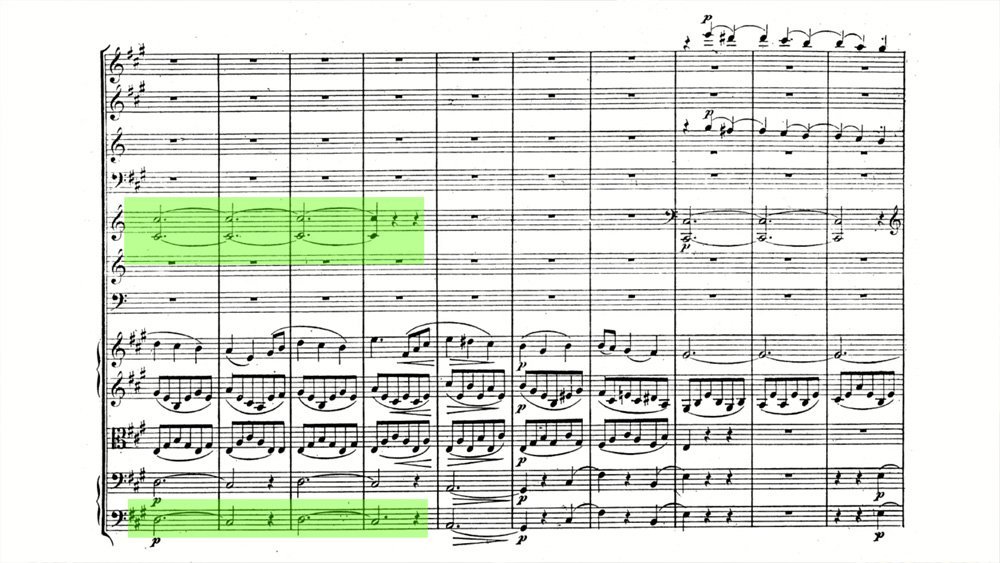
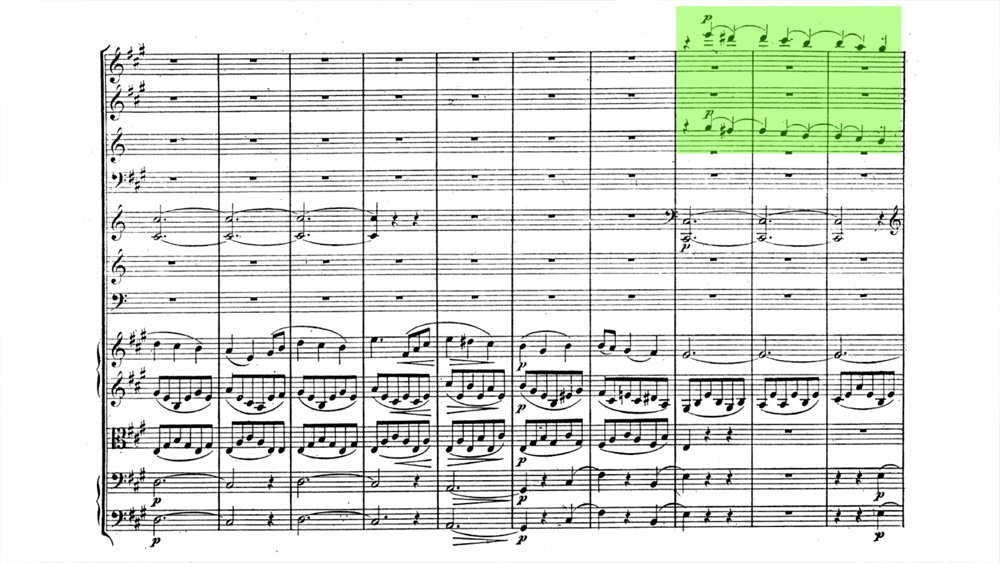
and flute and clarinet close the first paragraph, which has a traditional repeat.
We move on with the same idea which modulates and finds some shadows in the minor key
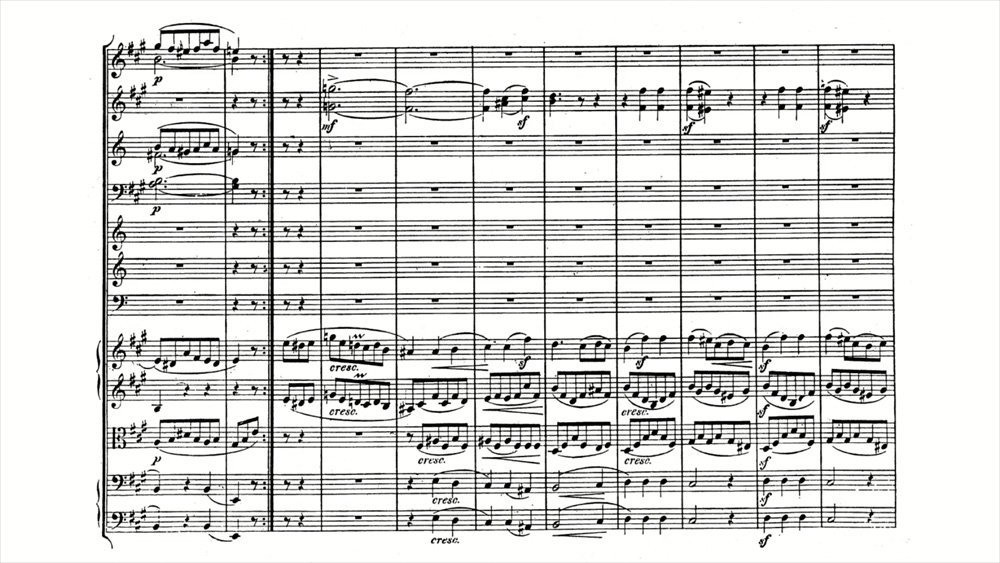
The initial musical idea returns, bridging back to A major. The heritage of those shadows is present in the off-beat sforzato.
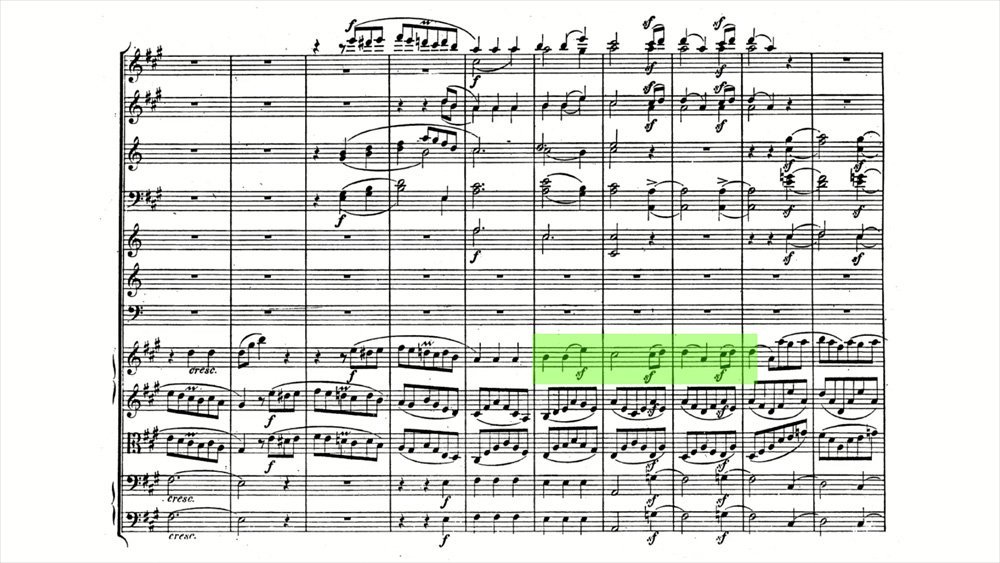
But eventually everything clears up, closing the first part in the most elegant manner
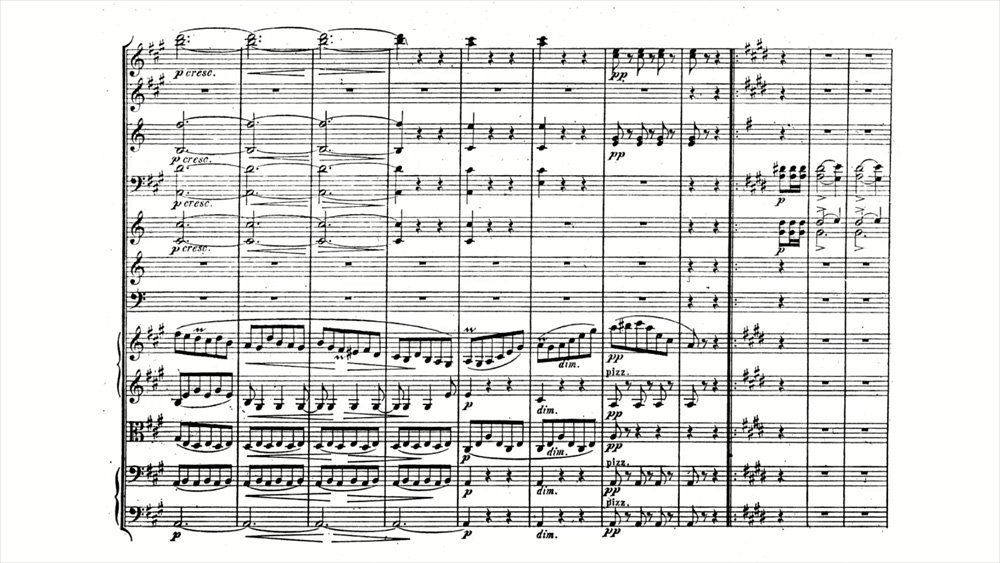
Notice that there's no repeat here. We move directly into the middle section, introduced by a haunting-like call of the bassoons and horns
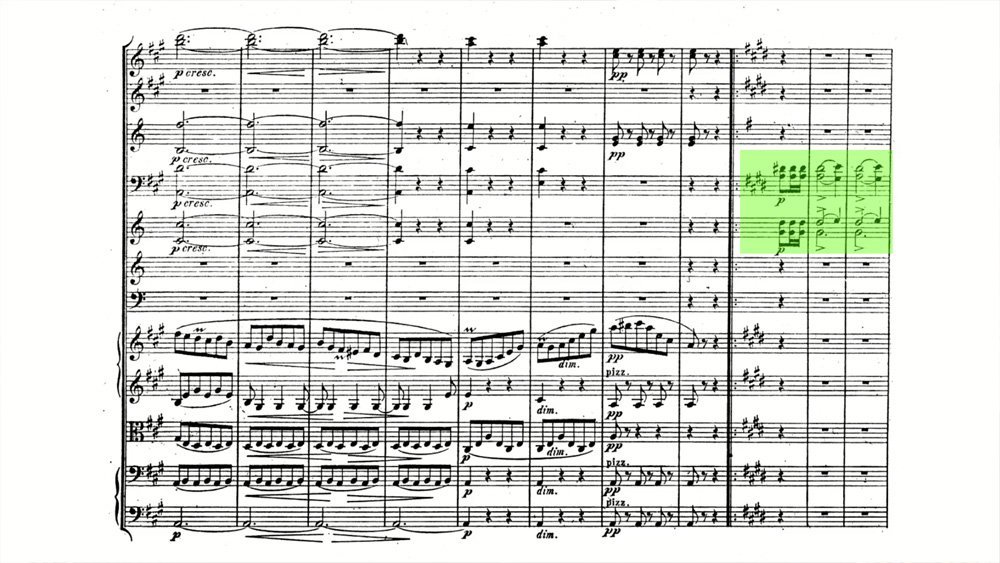
The answer is given by the first violins, first, and then the flute. See how, once again, everything is bare, clear, with reduced to a minimum
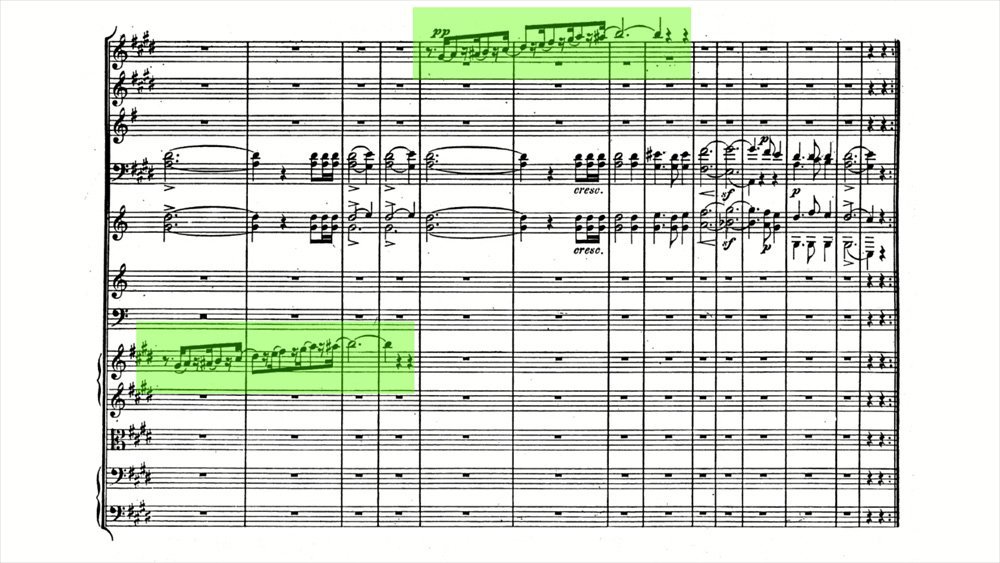
The phrase comes to an end with only 4 players, followed by a traditional repeat
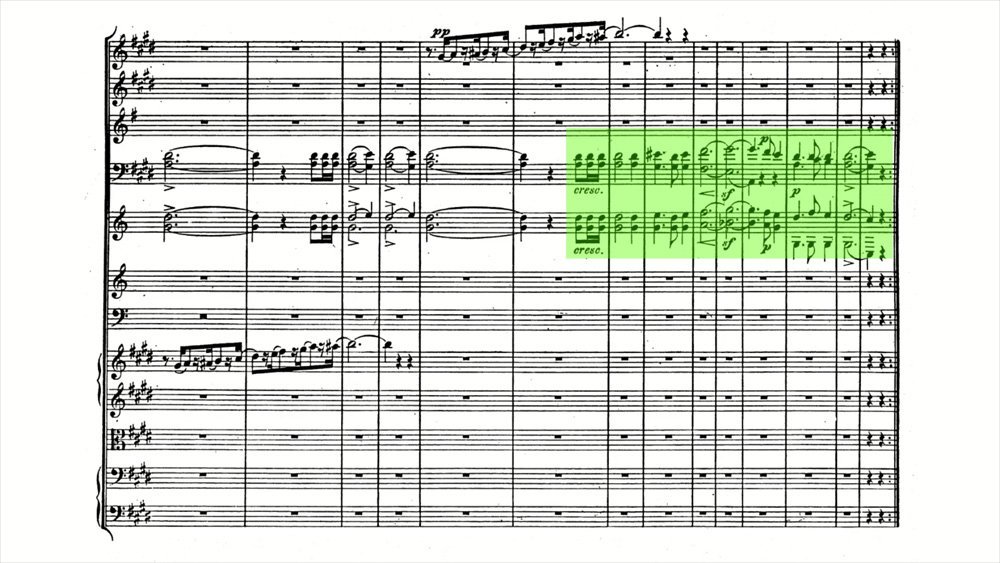
The rhythmic element opens the second part of this middle section, amplified by the trumpets and timpani, and is retaken by the strings, with a more battle-like character
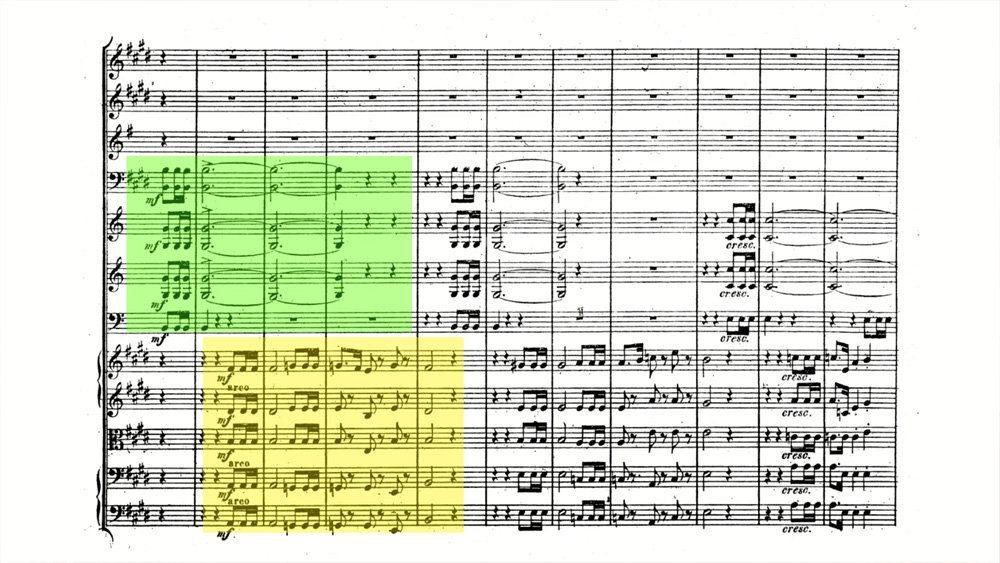
But we soon go back to the more relaxed atmosphere
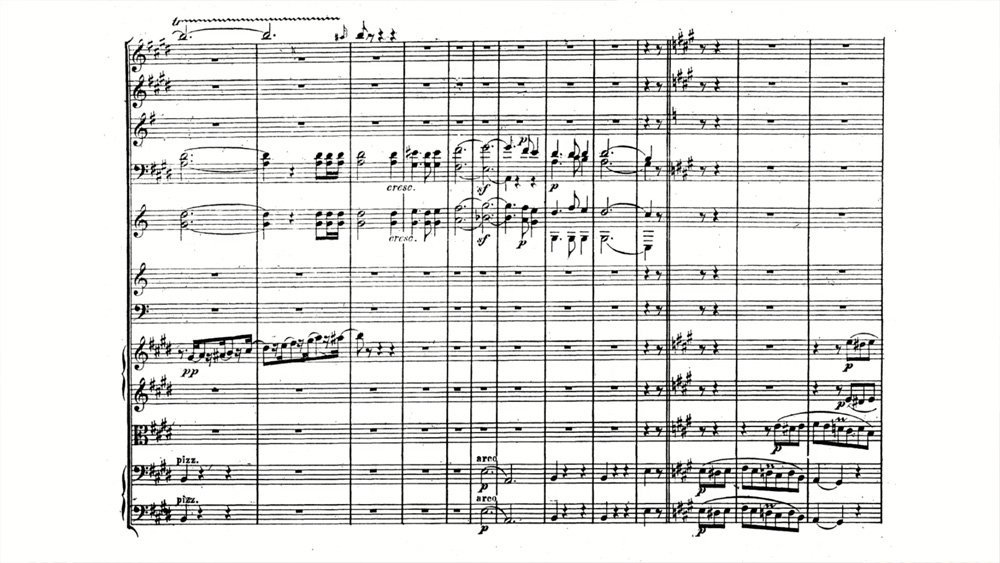
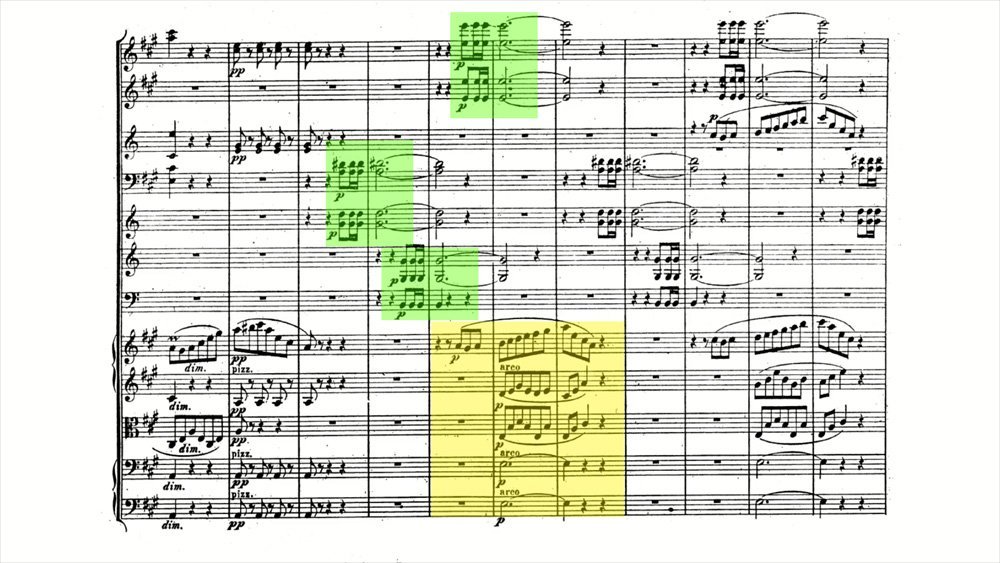
And we whirl back to the beginning. The coda implements the rhythmical element from the middle section in a very gentle way, mixed with the main musical idea, and closing, again, very elegantly

Oops...
This content is available for free with all memberships.
Already a member? Login here.
Not a member yet? Subscribe today and get access to more than 80 videos, scores analysis, technical episodes, and exercises.
Saltarello, presto
Another short introduction. The atmosphere of an elegant evening is swept away in this final movement by stomping chords with woodwinds trills on top. A curious thing here is the key: normally we would have an A major, like the 1st and 3rd movement. But Mendelssohn reverses it to A minor (mirroring the tradition of beginning a symphony in minor and finishing it in major), and the obsessive rhythm that will take us all the way to the end begins.
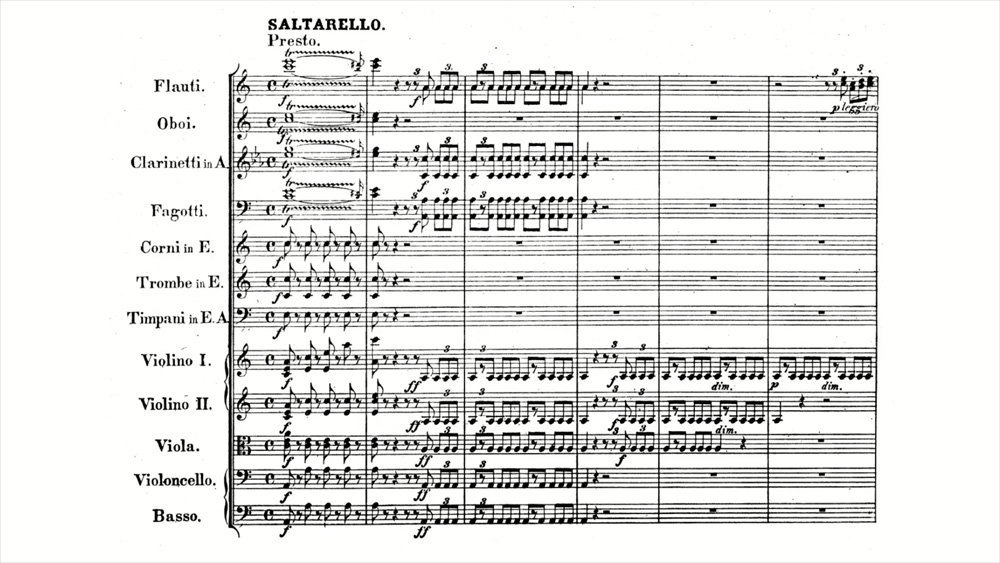
This is the only movement that makes use of an authentic Italian folk style, incorporating the saltarello and the tarantella. Both of them are fast folk dances.
The saltarello was very popular in the middle ages, especially in the regions of Abruzzo and Lazio, and gets its name after the verb "saltare", to jump, which was part of the choreography.
The tarantella is typical of the southern regions of Italy, and every region will claim to have the original one. In Puglia, the name derives from the spasmodic movements one would get when bitten by a wolf spider in the region of Taranto. In Campania, it takes the name of tammurriata, pizzica in the Salento area, and Sonu a ballu in Calabria.
Regardless of its origins, this is a perfect example of how folk music could be incorporated in a refined symphonic work.
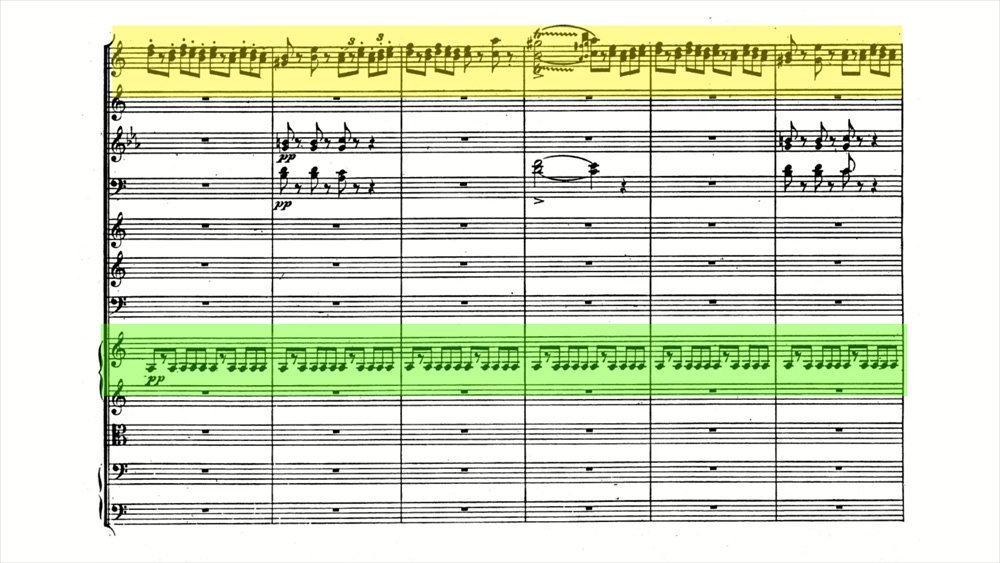
Under the obsessive rhythm in triplets of the strings - that is our tarantella rhythm - the theme is portrayed by the woodwinds. Only 2 flutes at first, accompanied by the first violins. The second time around, the rest of the strings join in while the clarinets double the flutes an octave lower
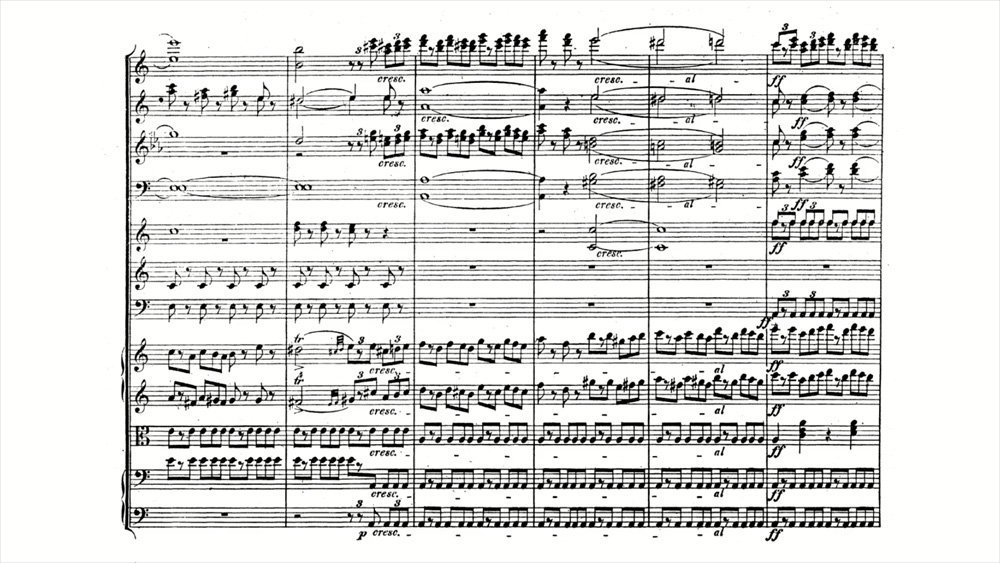
The witness is passed onto the first violins in an exciting crescendo that little by little embraces the entire orchestra
And we get to the modulating bridge moving to the canonical E minor. After which we would expect a second theme - if this was a normal sonata form movement, that is. Mendelssohn goes back to play with the tarantella rhythm mixing and matching different elements. The rhythm is relentless, till we come to a figure that starts putting a stop to it
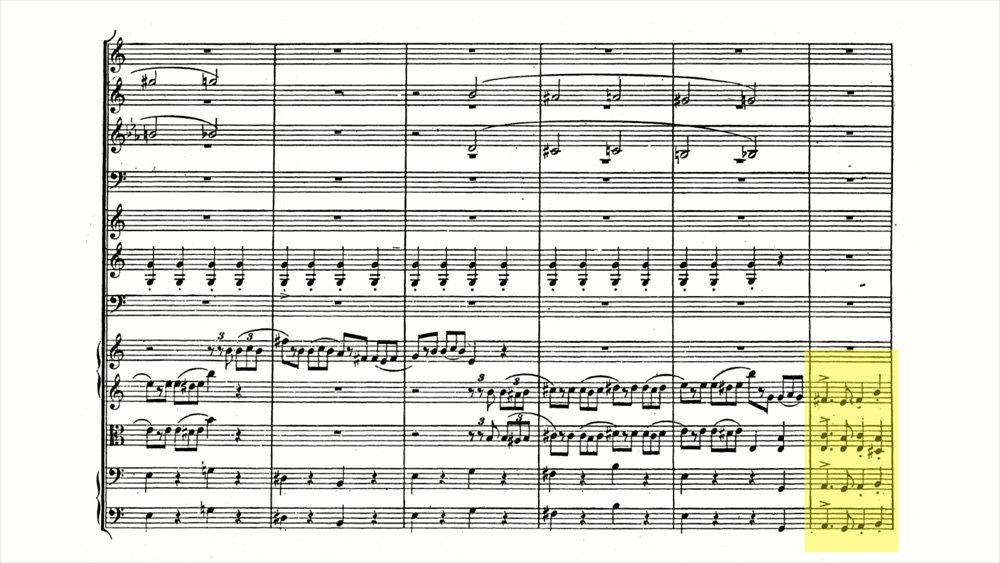
The tarantella rhythm pops back up but it's swept away, at least temporarily. It's a composing trick: shifting from triplets to duplets constantly changes the pace, increasing the anticipation for what's next
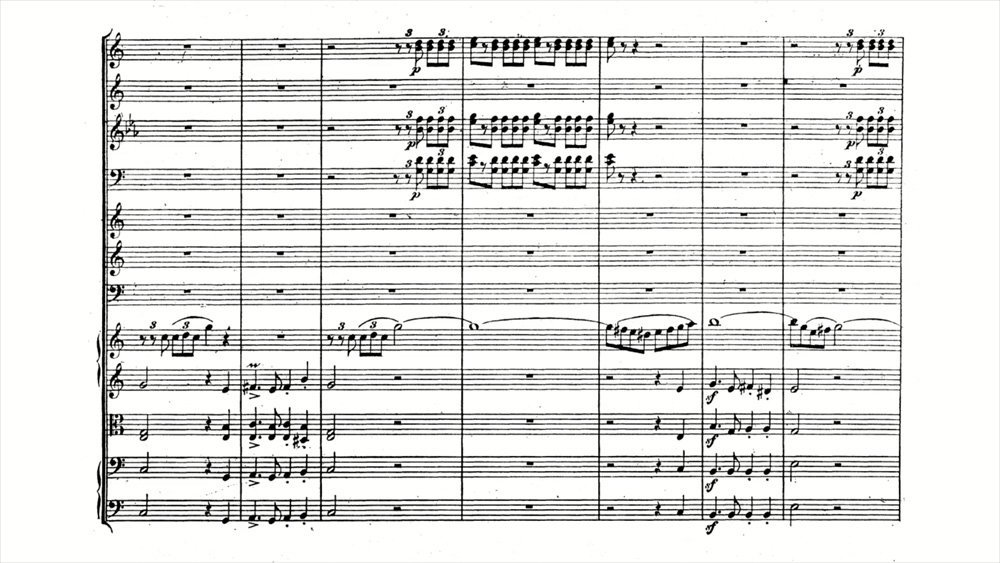
The rhythm overlaps, and the episode is repeated with an enlarged orchestration, while we get to the end of the first part, in a clear E minor
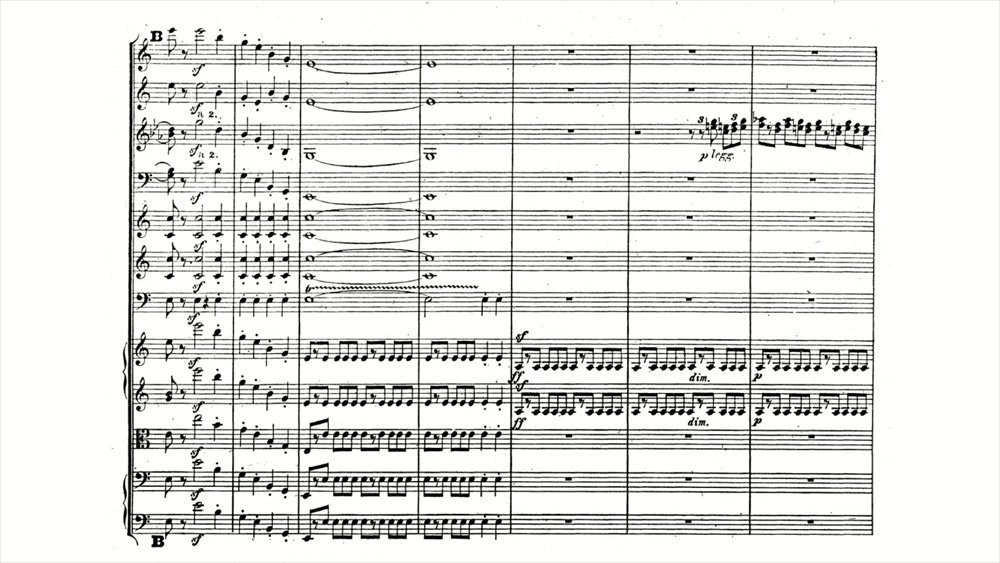
which immediately shifts back to A minor and the tarantella begins again. It's just an excuse. After a few modulations we land on the saltarello
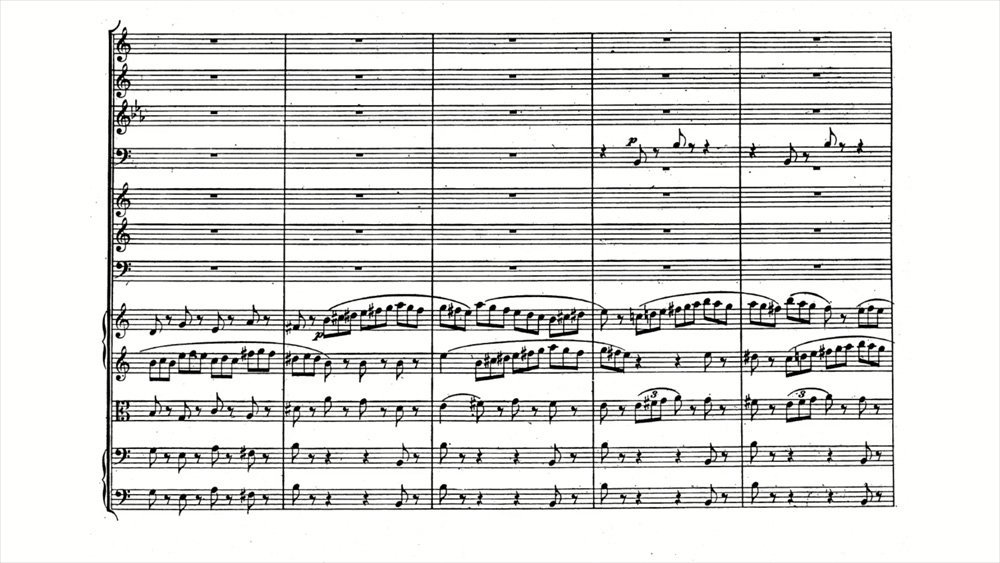
The theme is frantically passed from one string section to another, though everything remains crystal clear and all in a pianissimo to piano dynamic
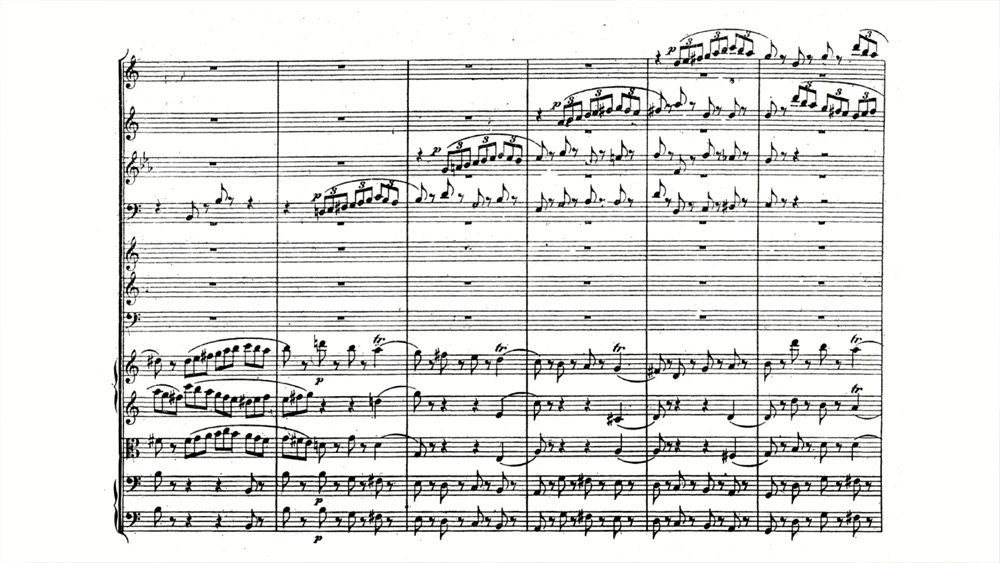
The woodwinds join the dance but then they go their own way, playing the tarantella while the strings answer with the saltarello
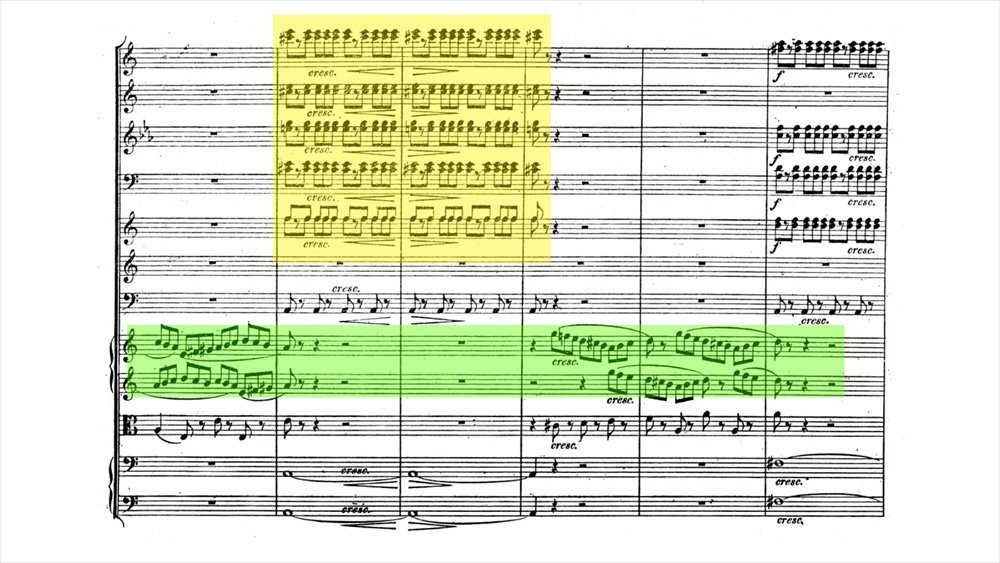
The tarantella seems to take over as the strings retake the rhythm reinforced by the brass and timpani and then it's the saltarello again, in a game of alternation between the two that doesn't seem to see an end.
Slowly but surely the dynamics drop as we approach the end of the movement. But the tension is still there, even in the pianissimo of the strings in bar 254 and following.
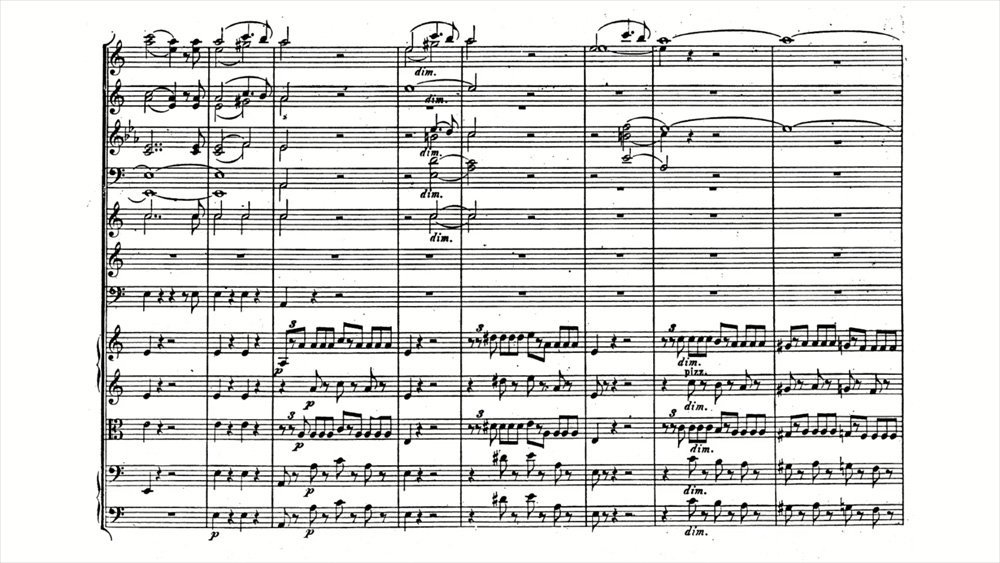
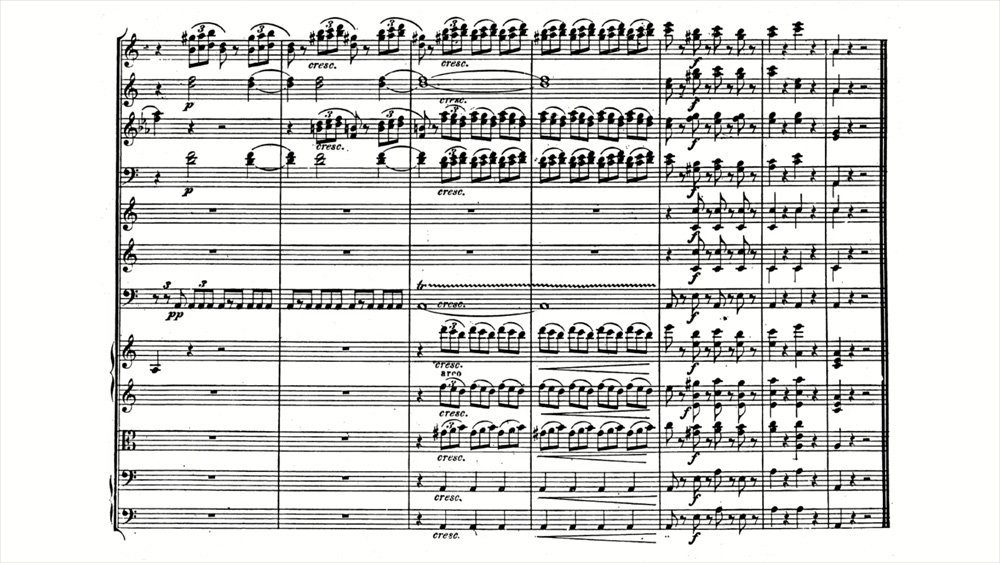
The tension is palpable, the theme is disrupted in short questions and answers and in a final crescendo that recalls once more the saltarello the movement ends with great energy.
Technical tip
In a way, this is like the first movement of the symphony: it's so fast that you really need to get out of the way as much as possible.
This means, generally speaking, small movements with a very short rebound, clean and tight. Control and step back; initiate or energize a passage or a dynamic and then let the orchestra play. Less is more.

For a full technical analysis, look up the video in the repertoire section


![Bruckner - Symphony 8 Movement 4 [Analysis]](https://gianmariagriglio.com/wp-content/uploads/2022/04/Bruckner-Symphony-n.8-Analysis.jpg)
0 Comments