
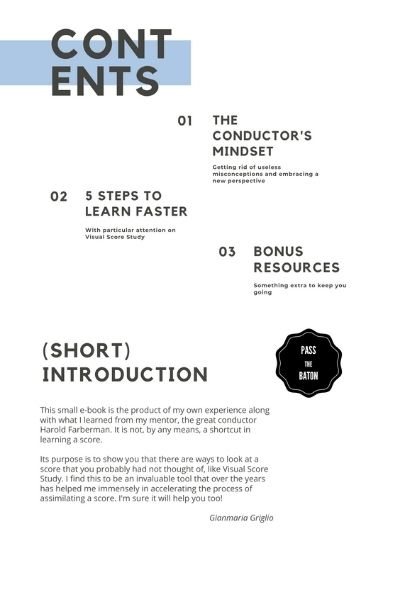
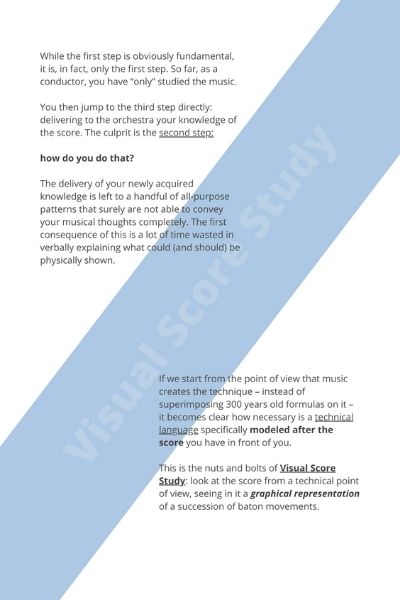
Free Download

Conductor & Composer
Gianmaria Griglio
"Musical Director Gianmaria Griglio achieved fine detailing from the International Opera Theater Chamber Orchestra, which sounded twice the size at any given moment!"
Lewis Wittington, Edge Philadelphia

How to Conduct: A Journey of Continuous Learning
If you are looking to learn conducting, you must treat every rehearsal and performance as a laboratory. How to conduct effectively is a skill honed through a combination of academic study and practical experience.
Immerse Yourself: Study recordings, but always return to the score to form your own interpretation.
Conduct in Front of a Mirror: Observe your own patterns. Is your beat clear? Does your physical energy match the music?
Seek Feedback: Conduct in front of peers or mentors. The perspective of those on the "receiving end" of your baton is invaluable.
Practice Score Study Away from the Podium: Before you ever lift your arms, you should be able to hear the entire work in your head.
Pass the baton
10 chapters, 11 videos, practical exercises, and examples with scores: this video course produced for iClassical-Academy will show you, through a bar-by-bar analysis of excerpts ranging from Mozart to Mahler and Copland, how to build your own technique in the most logical and effective way.

Gianmaria Griglio is an intelligent, exceptional musician. There is no question about his conducting abilities: he has exceptionally clear baton technique that allows him to articulate whatever decisions he has made about the music.
Conducting Pills
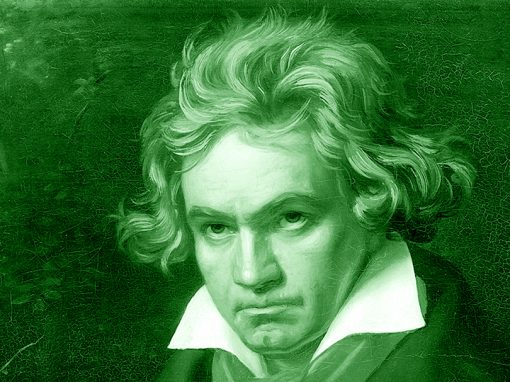
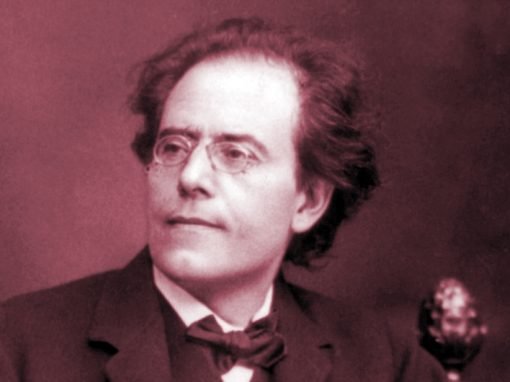
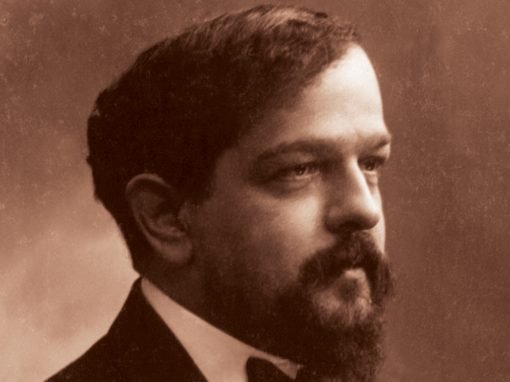
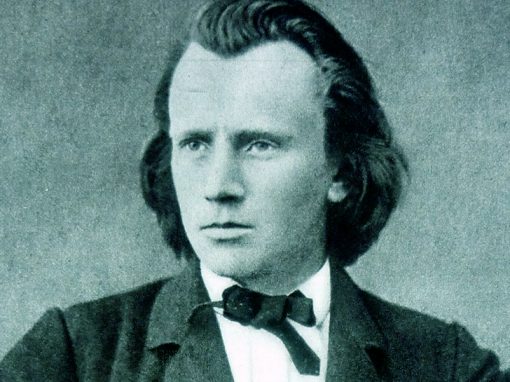
A FREE video series with an analysis of structure, phrasing, and, of course, conducting tips of repertoire works: from Mozart to Brahms, from Beethoven to Debussy. A new episode every week!
Mastering the Baton: A Conductor’s Guide to Score Analysis and Technique
To truly lead an ensemble, you must see beyond the notes on the page. Whether you are a student just starting your journey or an experienced musician refining your craft, mastering the art of conducting begins with a profound connection to the music through meticulous score analysis.
At its core, a conductor’s responsibility is to translate the composer’s vision into a living, breathing performance. This transformation relies on a synthesis of deep theoretical understanding and refined conducting technique.
![Tchaikovsky – Serenade for strings [ANALYSIS]](https://gianmariagriglio.com/wp-content/uploads/2021/05/Tchaikovsky_Serenade_for_strings_analysis.jpg "Tchaikovsky – Serenade for strings [ANALYSIS]")
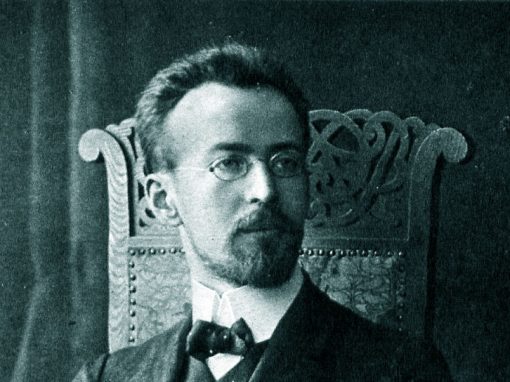
![Gabriel Fauré – Pelléas et Mélisande Prelude [ANALYSIS]](https://gianmariagriglio.com/wp-content/uploads/2021/05/Gabriel_Faure_prelude_Pelleas_et_melisande.jpg "Gabriel Fauré – Pelléas et Mélisande Prelude [ANALYSIS]")
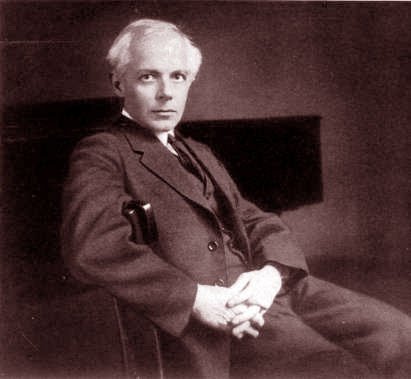
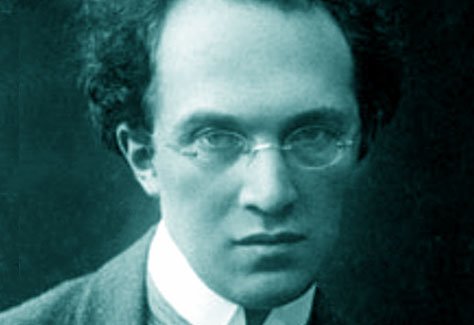
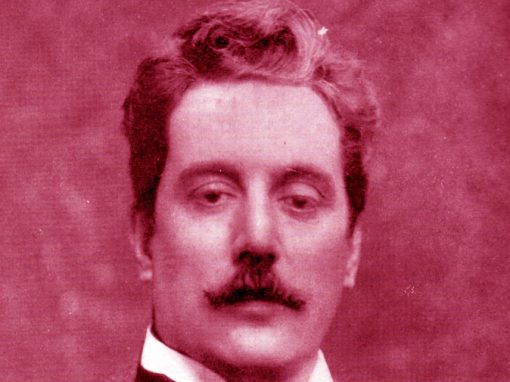
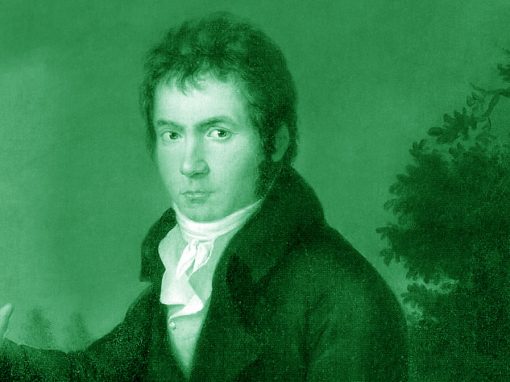
![Richard Strauss – Till Eulenspiegel [ANALYSIS]](https://gianmariagriglio.com/wp-content/uploads/2021/04/Richard-Strauss-Till-Eulenspiegel.jpg "Richard Strauss – Till Eulenspiegel [ANALYSIS]")
![Ravel – Mother Goose Suite (Ma Mère l’Oye) [ANALYSIS]](https://gianmariagriglio.com/wp-content/uploads/2021/04/Ravel-Mother-Goose-Suite.png "Ravel – Mother Goose Suite (Ma Mère l’Oye) [ANALYSIS]")
![Mozart – Die Zauberflöte Overture [analysis]](https://gianmariagriglio.com/wp-content/uploads/2021/03/Mozart-Magic-Flute-Overture-analysis-510x382.jpg "Mozart – Die Zauberflöte Overture [analysis]")
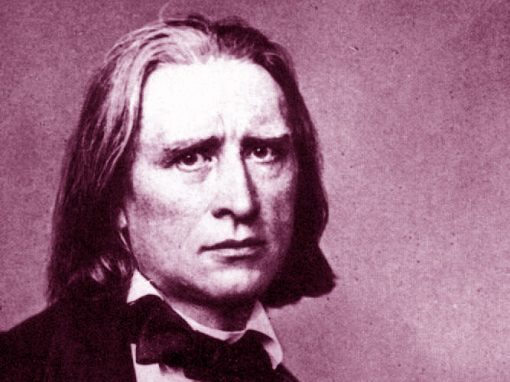
![Wagner – Tannhäuser Overture [ANALYSIS]](https://gianmariagriglio.com/wp-content/uploads/2021/03/RichardWagner-510x382.jpg "Wagner – Tannhäuser Overture [ANALYSIS]")
![Mendelssohn – Italian Symphony – Part 2 [ANALYSIS]](https://gianmariagriglio.com/wp-content/uploads/2021/02/Mendelssohn_Symphony_4_Italian_Movement_3_4-510x382.jpg "Mendelssohn – Italian Symphony – Part 2 [ANALYSIS]")
![Mendelssohn – Italian Symphony – Part 1 [ANALYSIS]](https://gianmariagriglio.com/wp-content/uploads/2021/02/Mendelssohn_Symphony_4_Italian_Movement_1_2-510x382.jpg "Mendelssohn – Italian Symphony – Part 1 [ANALYSIS]")
![Mozart – Don Giovanni Ouverture [ANALYSIS]](https://gianmariagriglio.com/wp-content/uploads/2021/02/Mozart-Don-Giovanni-Ouverture-analysis-510x382.jpg "Mozart – Don Giovanni Ouverture [ANALYSIS]")
![Schubert Symphony n.5 – Part 2 [ANALYSIS]](https://gianmariagriglio.com/wp-content/uploads/2021/02/Conducting_Schubert_Symphony_5_part_2_analysis-510x382.jpg "Schubert Symphony n.5 – Part 2 [ANALYSIS]")
![Schubert Symphony n.5 – Part 1 [ANALYSIS]](https://gianmariagriglio.com/wp-content/uploads/2021/02/Conducting_Schubert_Symphony_5_part_1_analysis-510x382.jpg "Schubert Symphony n.5 – Part 1 [ANALYSIS]")
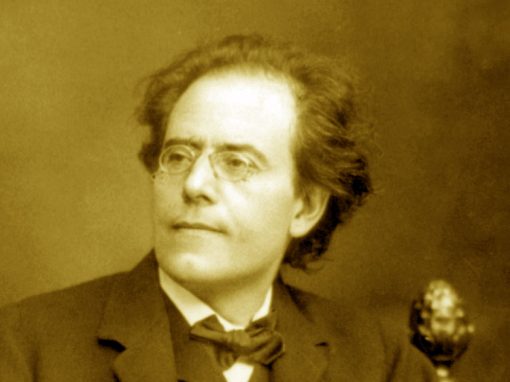
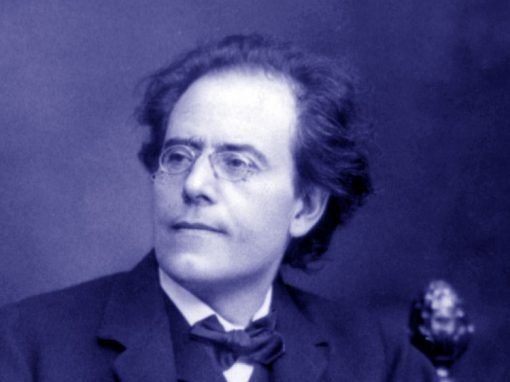
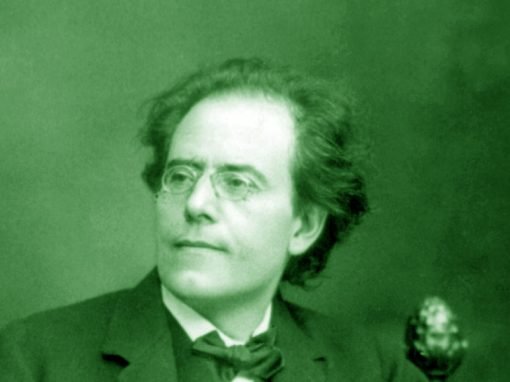
![Joseph Haydn – Symphony n.88 mov.1 [analysis]](https://gianmariagriglio.com/wp-content/uploads/2020/11/Conducting-Joseph-Haydn-Symphony-104-510x382.jpg "Joseph Haydn – Symphony n.88 mov.1 [analysis]")
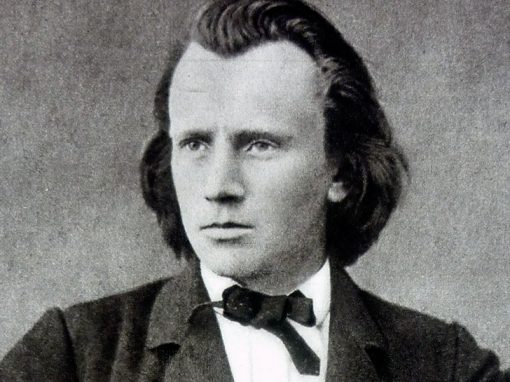
![Johannes Brahms – Symphony n.4 mov.1 [analysis]](https://gianmariagriglio.com/wp-content/uploads/2020/12/Johannes-Brahms.jpg "Johannes Brahms – Symphony n.4 mov.1 [analysis]")
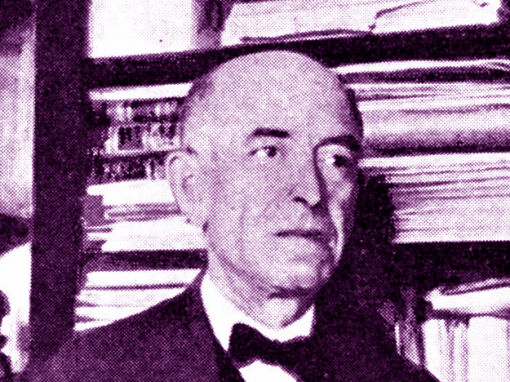
![Verdi – La forza del destino Ouverture [analysis]](https://gianmariagriglio.com/wp-content/uploads/2020/12/Giuseppe_Verdi_La_Forza_del_Destino_Overture-510x382.jpg "Verdi – La forza del destino Ouverture [analysis]")
![Dvořák – Serenade for strings [analysis] – PART 2: movements 3, 4, and 5](https://gianmariagriglio.com/wp-content/uploads/2020/09/Dvorak-7-mov-1-analysis-510x382.jpg "Dvořák – Serenade for strings [analysis] – PART 2: movements 3, 4, and 5")
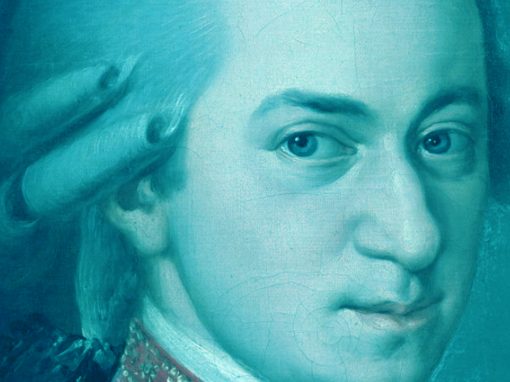
![Elgar Serenade for strings [analysis]](https://gianmariagriglio.com/wp-content/uploads/2020/11/Edward-Elgar-Serenade-for-strings-analysis-510x382.jpg "Elgar Serenade for strings [analysis]")
![Conducting Smetana – The Moldau [analysis]](https://gianmariagriglio.com/wp-content/uploads/2020/11/Conducting-Bedrich-Smetana-The-Moldau.jpg "Conducting Smetana – The Moldau [analysis]")
![Schumann Symphony n.1 “Spring” – 1st mov. [analysis]](https://gianmariagriglio.com/wp-content/uploads/2020/11/Robert-Schumann-Symphony-1-movement-1-analysis.jpg "Schumann Symphony n.1 “Spring” – 1st mov. [analysis]")
![Rachmaninov – Piano concerto n.2 mov. 1 [analysis]](https://gianmariagriglio.com/wp-content/uploads/2020/11/Conducting-Rachmaninov-piano-concerto-2-movement-1-analysis-510x382.jpg "Rachmaninov – Piano concerto n.2 mov. 1 [analysis]")
![Conducting Mozart Symphony K504 “Prague” – 1st mov. [analysis]](https://gianmariagriglio.com/wp-content/uploads/2020/10/Conducting-Mozart-Prague-Symphony-k504-analysis-510x382.jpg "Conducting Mozart Symphony K504 “Prague” – 1st mov. [analysis]")
![Beethoven: Symphony n.4 – mov.1 [analysis]](https://gianmariagriglio.com/wp-content/uploads/2020/10/Beethoven-4-symphony-mov-1-analysis-510x382.jpg "Beethoven: Symphony n.4 – mov.1 [analysis]")
![Tchaikovsky – Romeo and Juliet Overture [analysis]](https://gianmariagriglio.com/wp-content/uploads/2020/10/Tchaikovski-Romeo-and-Juliet-analysis.jpg "Tchaikovsky – Romeo and Juliet Overture [analysis]")
![Conducting Revueltas: Sensemayá [analysis]](https://gianmariagriglio.com/wp-content/uploads/2020/09/Silvestre-Revueltas-Sensemaya-510x382.jpg "Conducting Revueltas: Sensemayá [analysis]")
![Conducting Janáček: Taras Bulba – Death of Andrei [analysis]](https://gianmariagriglio.com/wp-content/uploads/2020/09/Leos_Janacek_1904.jpg "Conducting Janáček: Taras Bulba – Death of Andrei [analysis]")
![Beethoven Symphony n.7, Mov. 1 [analysis]](https://gianmariagriglio.com/wp-content/uploads/2020/09/Conducting-Beethoven-Symphony-7-mov-1-analysis-510x382.jpg "Beethoven Symphony n.7, Mov. 1 [analysis]")
![Rimsky-Korsakov: Scheherazade, 2nd movement [analysis]](https://gianmariagriglio.com/wp-content/uploads/2020/08/Rimsky-Korsakov-Scheherazade-movement-2-conductor-analysis-510x382.jpg "Rimsky-Korsakov: Scheherazade, 2nd movement [analysis]")
![Hector Berlioz: Symphonie Fantastique [analysis] 1st movement](https://gianmariagriglio.com/wp-content/uploads/2020/08/Hector-Berlioz-Symphonie-Fantastique-analysis-1st-movement-510x382.jpg "Hector Berlioz: Symphonie Fantastique [analysis] 1st movement")
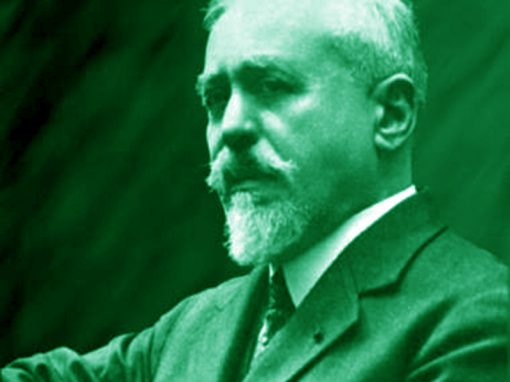
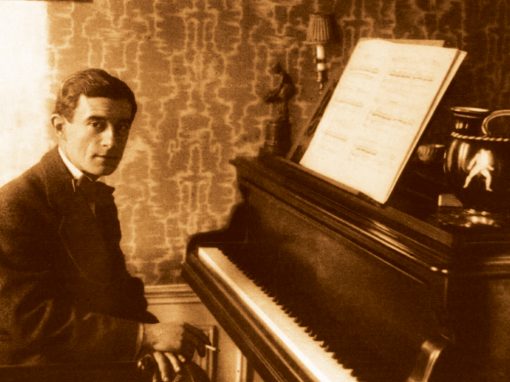
![Conducting Schubert 8 “Unfinished” Symphony [analysis]](https://gianmariagriglio.com/wp-content/uploads/2020/08/Conducting_Schubert_Unfinished_Symphony-510x382.jpg "Conducting Schubert 8 “Unfinished” Symphony [analysis]")
![Conducting Beethoven Symphony n.2 Movement 1 [analysis]](https://gianmariagriglio.com/wp-content/uploads/2020/07/Beethoven-Symphony-2-op36-Analysis-510x382.jpg "Conducting Beethoven Symphony n.2 Movement 1 [analysis]")
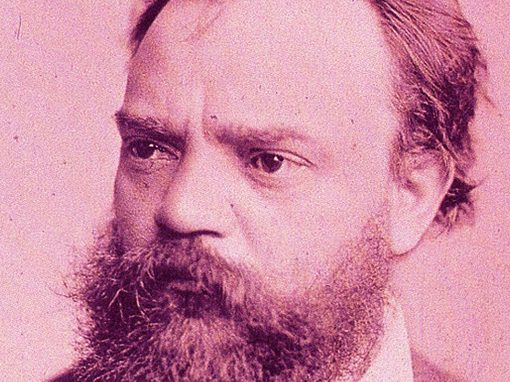
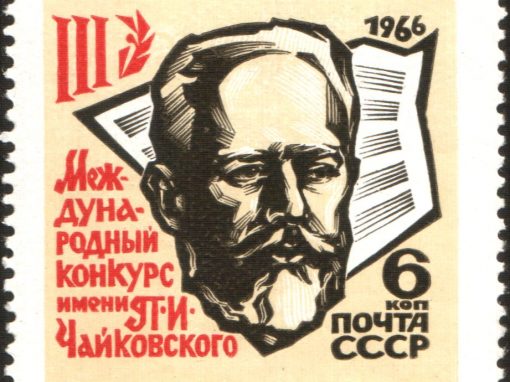











Why Score Analysis is the Conductor’s Foundation
Score analysis is more than just reading notation; it is the process of deconstructing the musical architecture to reveal the composer’s intent. When you analyze a score from a conductor’s perspective, you are mapping out the structural and emotional journey of the piece.
-
Understanding Texture and Balance: By mapping out the orchestration, you gain the ability to hear the blend before you even step on the podium.
-
Harmonic and Melodic Architecture: Recognizing key changes, tension points, and cadences allows you to shape phrases with greater intention.
-
Deciphering Intent: Every mark—from dynamic variations to articulation—is a breadcrumb leading to the composer’s core message.
Elevate Your Conducting Today
Becoming a great conductor is a lifelong pursuit of knowledge and self-expression. By bridging the gap between rigorous score analysis and nuanced conducting technique, you empower your ensemble to deliver performances that are not just technically sound, but deeply transformative.
Are you ready to refine your craft? Dive deeper into these resources on advanced baton technique and structural analysis to start your journey toward mastering the podium.
Ready for the next level?
Take your orchestra conducting to the next level! Choose the plan that suits you best. Prices do not include VAT (where applicable).