
Score analysis
Table of contents
B
-
Beethoven - Symphony n.2 Mov.1
Beethoven - Symphony n.4 mov.1
Beethoven - Symphony n.7 mov.1
Beethoven - Leonore Overture n.3
-
Berlioz - Symphonie Fantastique: 1st movement
-
Brahms: a conductor’s approach to Symphony n.1 ~ The introduction
Brahms: a conductor’s approach to Symphony n.1 ~ The first movement
D
M
Mahler - Symphony n.2 – Movement 1
Mahler – Das Lied von der Erde – Part 1
Mahler – Das Lied von der Erde – Part 2
Mahler – Das Lied von der Erde – Part 3
-
Mendelssohn – Italian Symphony – Part 1
Mendelssohn – Italian Symphony – Part 2
-
Mozart - Symphony K504 “Prague” – 1st mov.
Mozart - Symphony n.40 K550 – 1st movement
Mozart - Symphony n.40 K550 – Movements 2-3
Mozart – Don Giovanni Ouverture
Mozart – Die Zauberflöte Overture
-
R
S
T
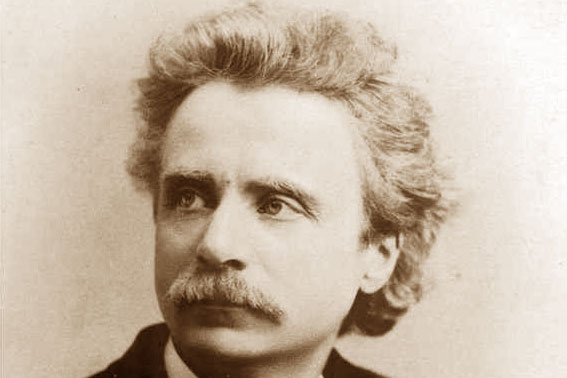
Grieg – Two Elegiac Melodies
During the course of his life, Grieg had several unproductive periods due to a chronic illness.
The year 1880 marked the end of one of such periods, and the inspiration came from poet Aasmund Olafsson Vinje, a proud romantic Norwegian nationalist.
Grieg, whose sentiments perfectly aligned with Vinje’s, chose 12 poems to set to music as a song cycle. From those 12, Grieg transcribed two of them for string orchestra: Hjertesår (The Wounded Heart), and Våren (The Last Spring).
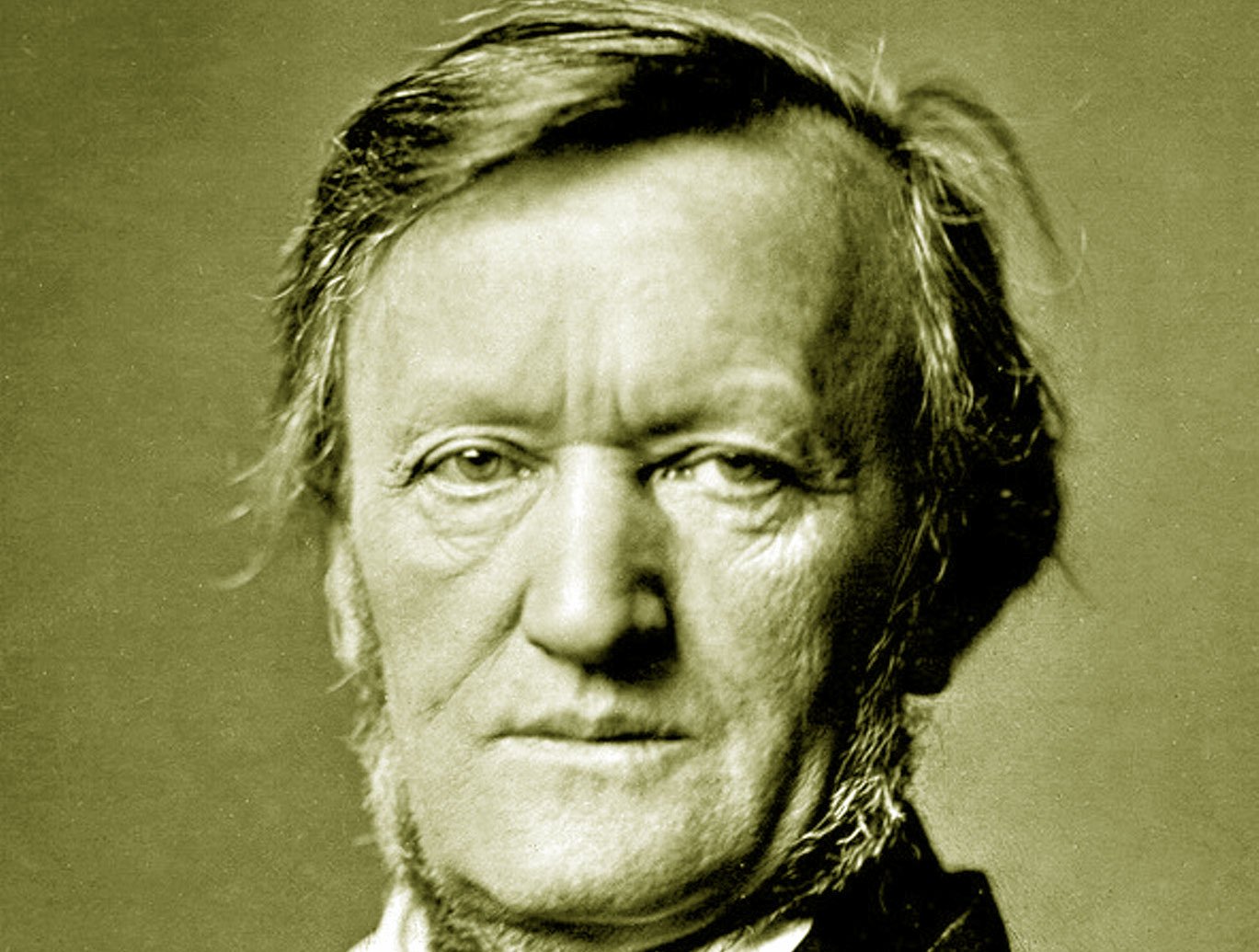
Wagner – Parsifal Prelude to Act 1
The very first phrase of Wagner’s Prelude to Act 1 of Parsifal holds in itself the germs of dramatically important leitmotifs recurring throughout the whole opera: the Redemption, the Wound, and the spear motif.
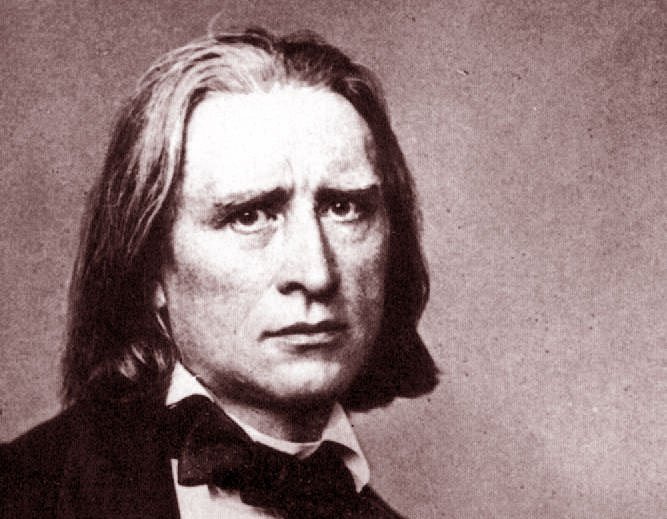
![Wagner – Tannhäuser Overture [ANALYSIS]](https://gianmariagriglio.com/wp-content/uploads/2021/03/RichardWagner.jpg)

Conducting Ravel: Pavane pour une infante défunte
The Pavane pour une infante défunte (Pavane for a dead princess) is one of Ravel’s most popular pieces and one that sooner or later comes to the attention of any conductor: it’s relatively simple, with a very linear structure, and it’s scored for a chamber orchestra. The real challenge is hidden in the orchestration and all the nuances that need to emerge by reading through the lines.
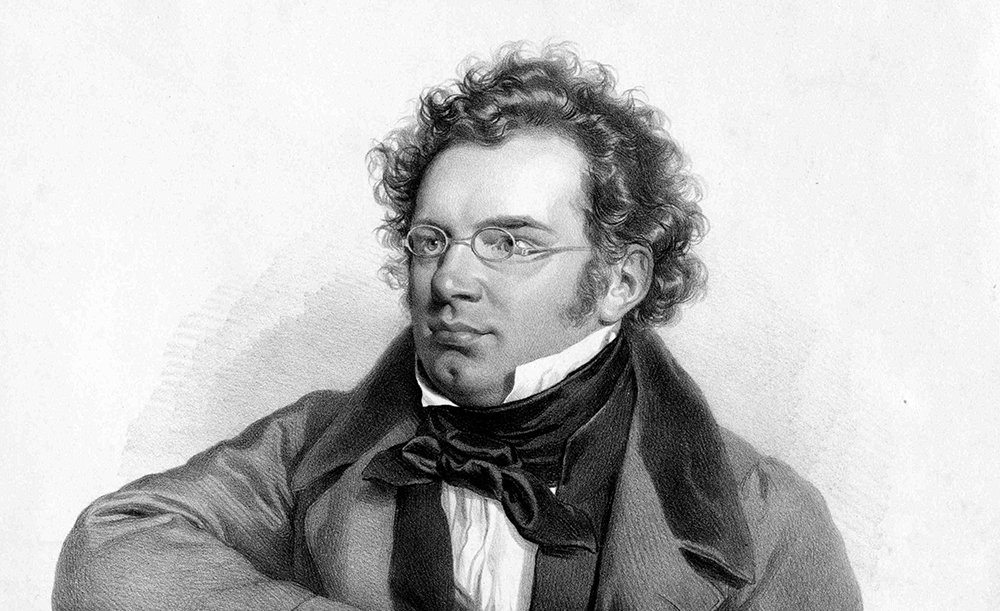
Conducting Schubert 8 “Unfinished” Symphony [analysis]
Schubert’s Unfinished Symphony is an open door to romanticism: why was it left incomplete? What was wrongly changed by an editor?
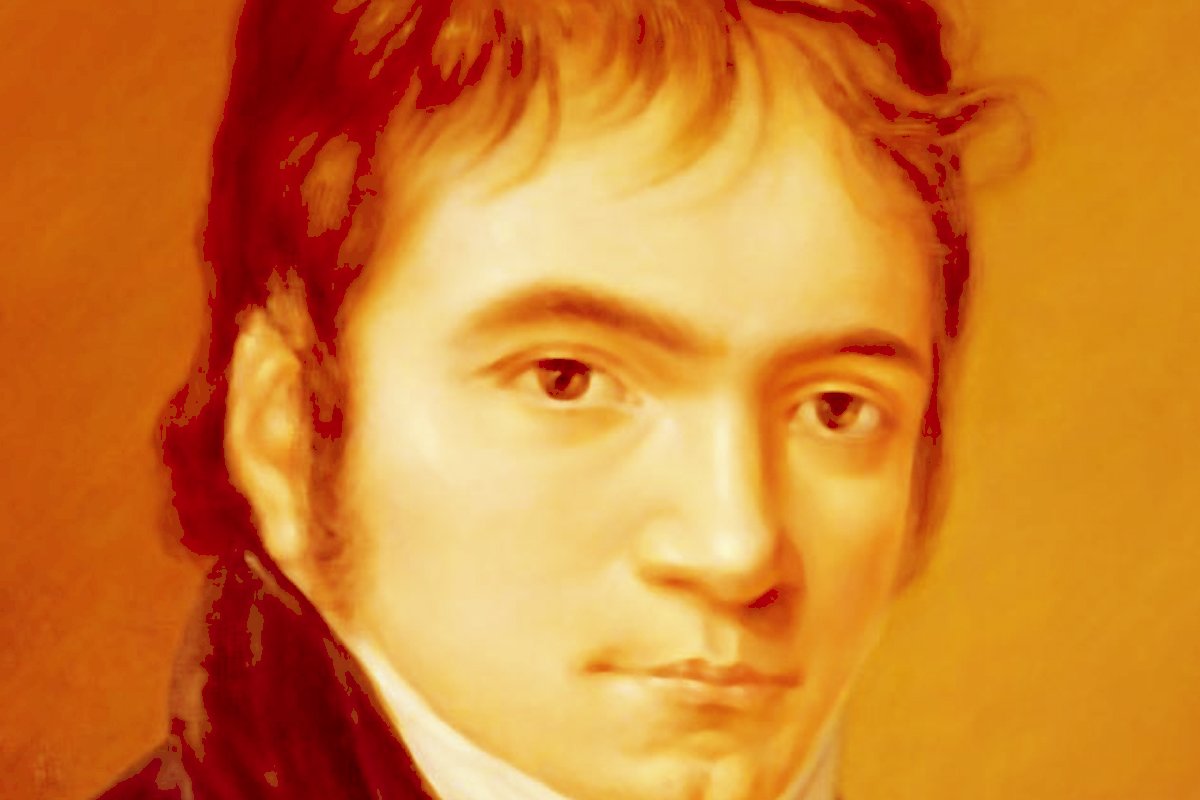
Conducting Beethoven Symphony n.2 Movement 1 [analysis]
Beethoven’s Symphony n.2 is a piece that sooner or later becomes part of every conductor’s repertoire. In this post, we’ll go through an analysis of its 1st movement, its structure, and phrasing with, of course, some technical tips.
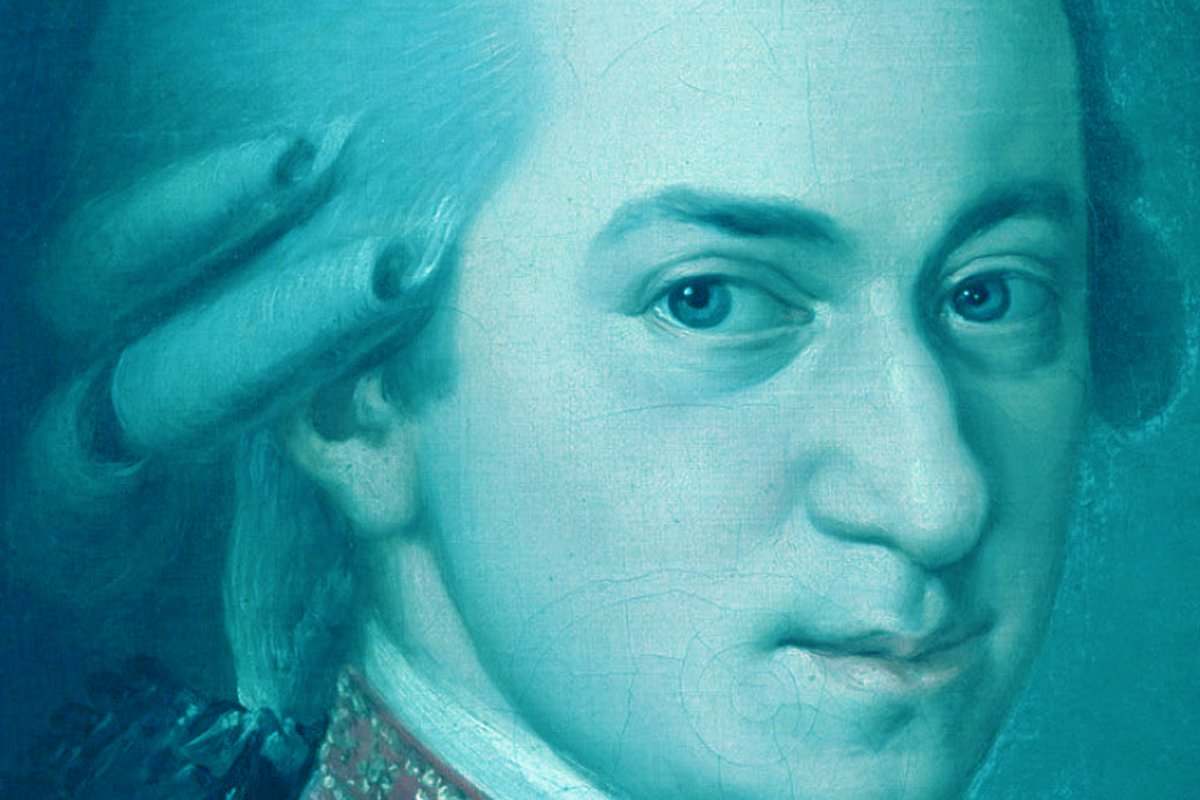
Conducting Mozart: Symphony n.40 K550 – 1st movement
Although one of the most recognizable pieces of all classical western music,
Mozart’s symphony n.40 K550 remains, like most of Mozart’s music, full of traps, even though it doesn’t seem so difficult to conduct from a technical point of view.
In this article we’ll tackle the first movement of this immortal work, its structure, and phrasing, the “G minor key” aspect, and, of course, some technical tips.

Conducting Dvořák: Symphony n.9 – 1st movement
Dvořák’s Symphony n.9 “From the New World” is mandatory learning for any conductor: here we’ll go through an analysis of its first movement, looking at structure, harmony, the “American” aspects of the music, and, of course, a few conducting tips.
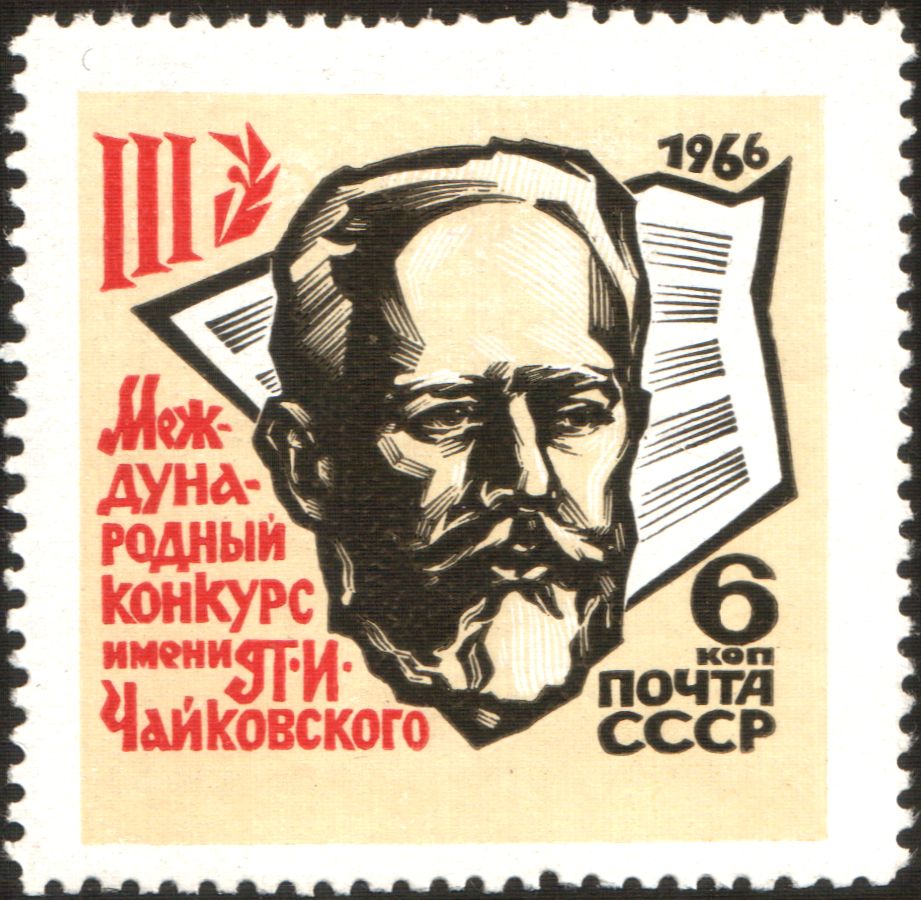
Conducting Tchaikovsky: Symphony n.5, 1st movement
A milestone for every conductor, Tchaikovsky’s Symphony n.5 is full of different motives: here’s an analysis of the 1st mov. from a conductor’s perspective.
Conducting Pills
A FREE video series with an analysis of structure, phrasing, and, of course, conducting tips of repertoire works: from Mozart to Brahms, from Beethoven to Debussy. A new episode every week!