
Score analysis
Table of contents
B
-
Beethoven - Symphony n.2 Mov.1
Beethoven - Symphony n.4 mov.1
Beethoven - Symphony n.7 mov.1
Beethoven - Leonore Overture n.3
-
Berlioz - Symphonie Fantastique: 1st movement
-
Brahms: a conductor’s approach to Symphony n.1 ~ The introduction
Brahms: a conductor’s approach to Symphony n.1 ~ The first movement
D
M
Mahler - Symphony n.2 – Movement 1
Mahler – Das Lied von der Erde – Part 1
Mahler – Das Lied von der Erde – Part 2
Mahler – Das Lied von der Erde – Part 3
-
Mendelssohn – Italian Symphony – Part 1
Mendelssohn – Italian Symphony – Part 2
-
Mozart - Symphony K504 “Prague” – 1st mov.
Mozart - Symphony n.40 K550 – 1st movement
Mozart - Symphony n.40 K550 – Movements 2-3
Mozart – Don Giovanni Ouverture
Mozart – Die Zauberflöte Overture
-
R
S
T
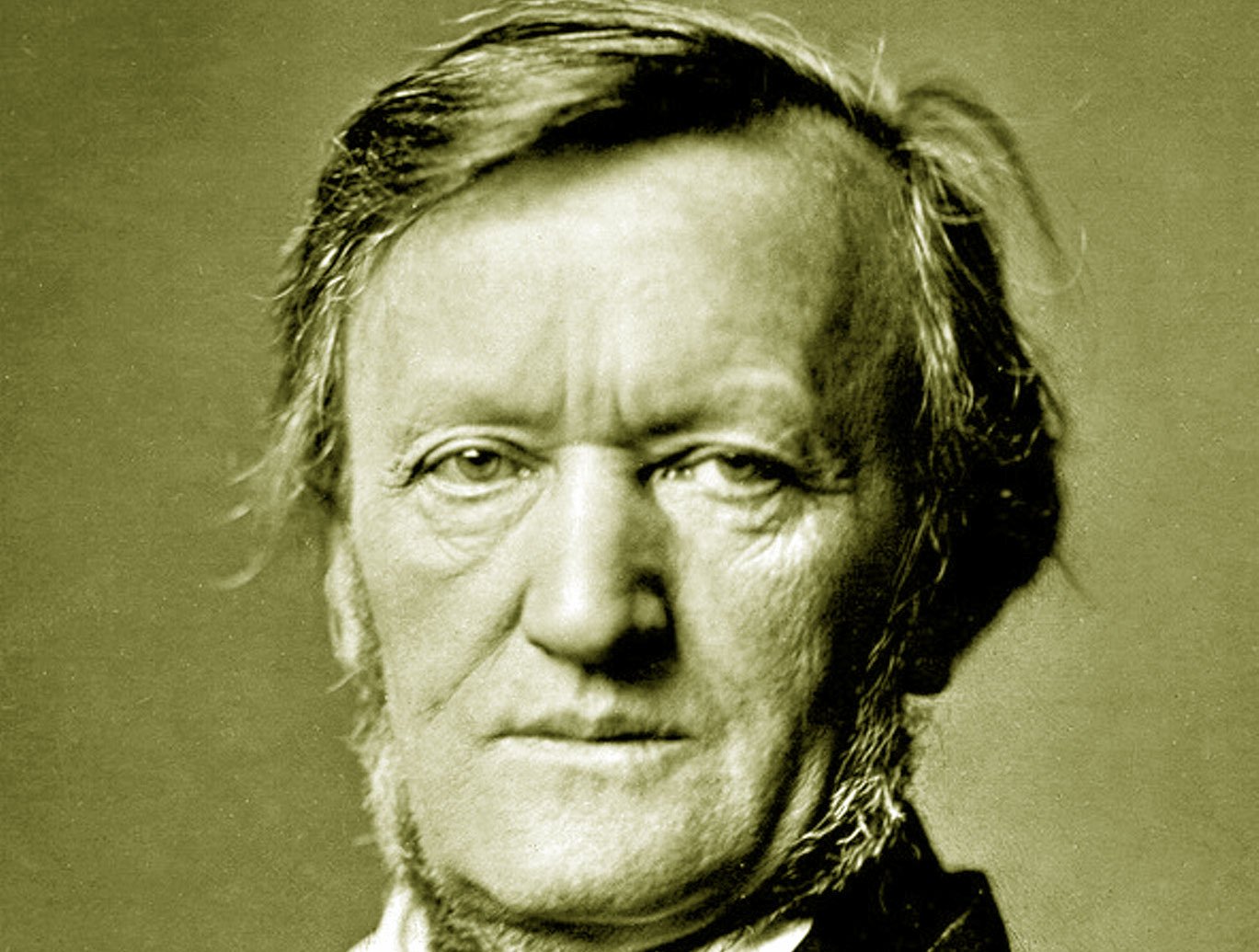
Wagner – Parsifal Prelude to Act 1
The very first phrase of Wagner’s Prelude to Act 1 of Parsifal holds in itself the germs of dramatically important leitmotifs recurring throughout the whole opera: the Redemption, the Wound, and the spear motif.
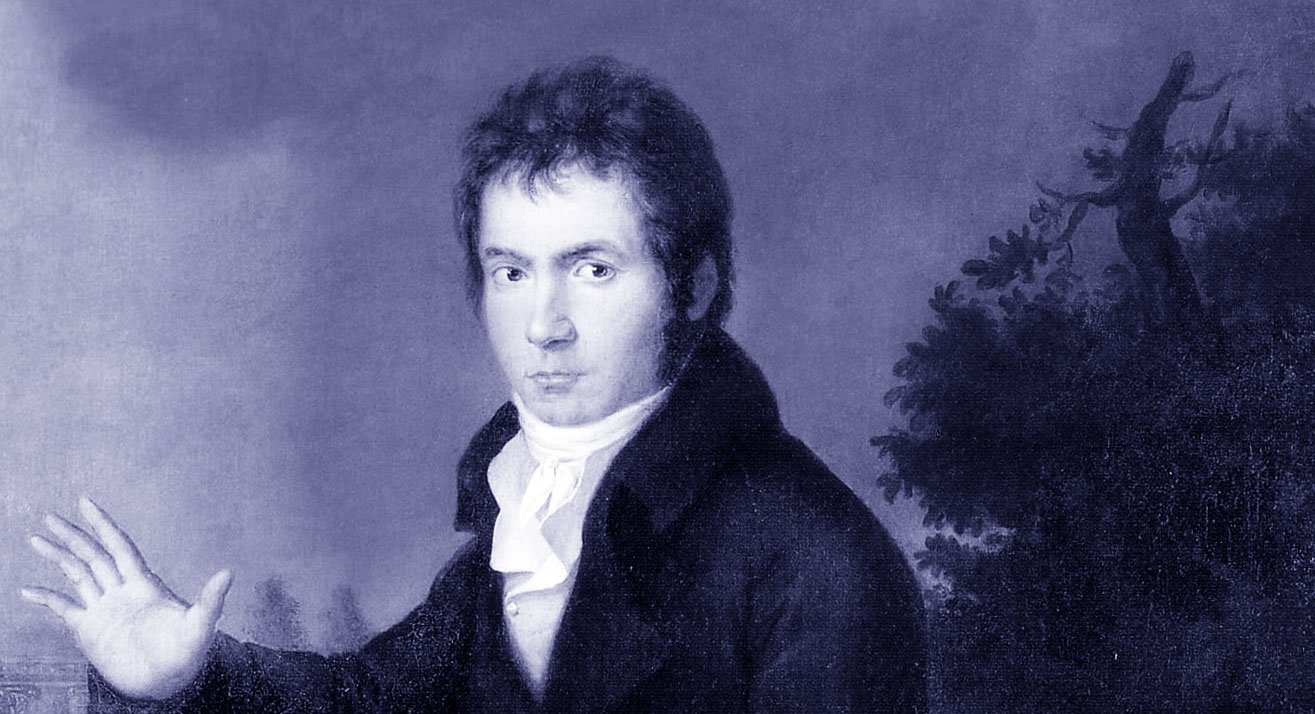
Beethoven – Leonore overture n.3
Leonore 3, one of the 4 overtures Beethoven wrote for his only opera Fidelio, is a huge symphonic fresco, often programmed as a standalone concert piece
![Wagner – Tannhäuser Overture [ANALYSIS]](https://gianmariagriglio.com/wp-content/uploads/2021/03/RichardWagner.jpg)
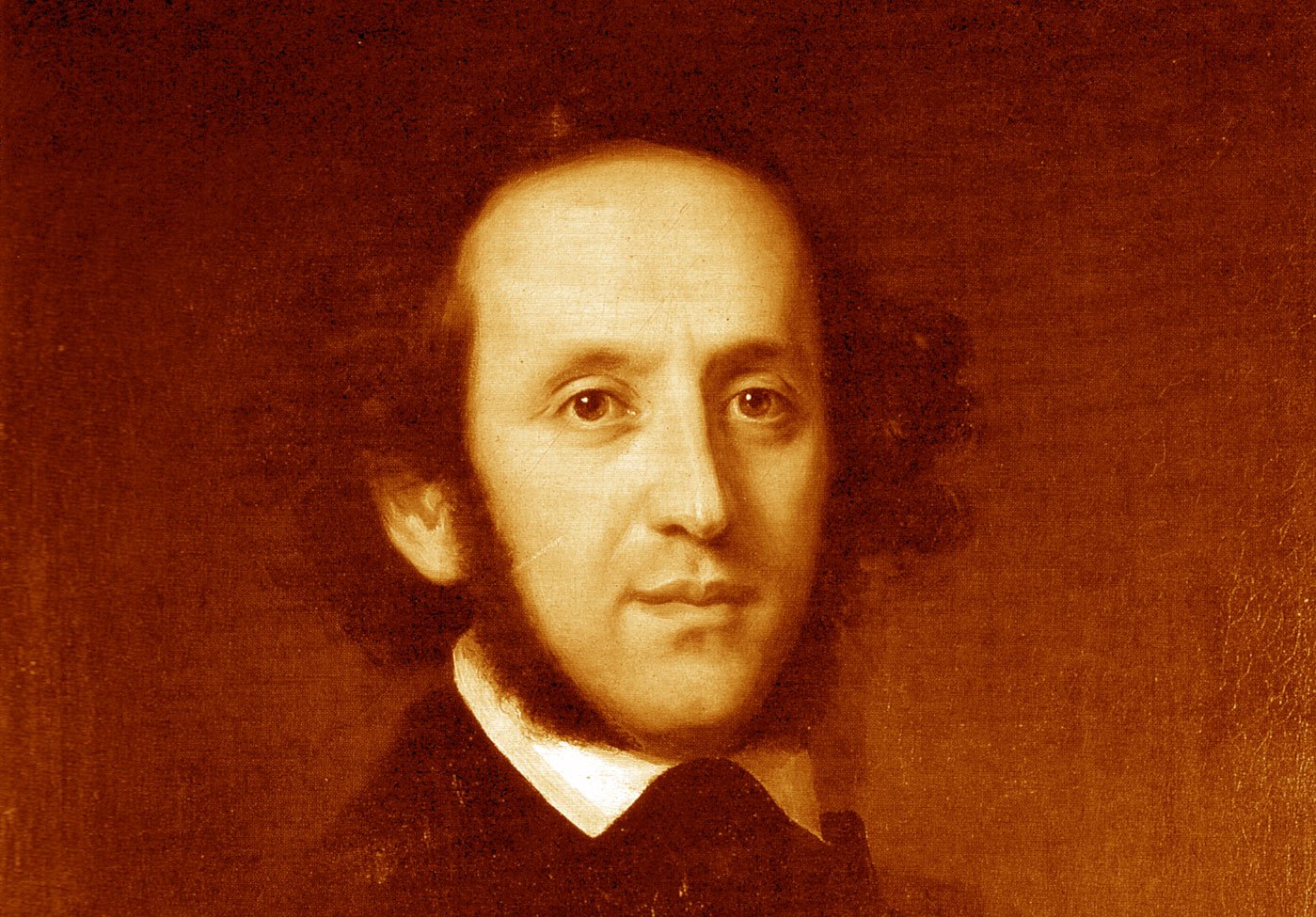

Conducting Mendelssohn: The Hebrides
For a conductor, Mendelssohn’s The Hebrides is a really fun piece to perform, with its changes in dynamics and its ascending/descending lines being perfect spots for registration and fluidity of gestures.

Conducting Beethoven: Coriolan ouverture
Beethoven’s Coriolan Ouverture could be defined as a miniature symphonic poem: here’s an analysis of the piece, keeping an eye on its conducting issues.

Conducting Mahler: an analysis of Symphony n.2 – Movement 1
A gigantic undertaking for any conductor, Mahler’s symphony n.2 demands exceptional analysis and technique. in this post we’ll take a look at the 1st movement from a conducting point of view

Conducting Debussy: Prélude à l’après-midi d’un faune
The Prélude à l’après-midi d’un faune is one of the most challenging pieces for any conductor: here’s an analysis of the piece with a few conducting tips.

Johannes Brahms: a conductor’s approach to Symphony n.1 ~ The first movement
Brahms Symphony n.1 from a conductor’s perspective: the first movement

Johannes Brahms: a conductor’s approach to Symphony n.1 ~ The introduction
Looking at Johannes Brahms Symphony n.1 from a conductor’s perspective: the key factors of tempo, balance, dynamics, and lines in the introduction.
Conducting Pills
A FREE video series with an analysis of structure, phrasing, and, of course, conducting tips of repertoire works: from Mozart to Brahms, from Beethoven to Debussy. A new episode every week!