
Score analysis
Table of contents
B
-
Beethoven - Symphony n.2 Mov.1
Beethoven - Symphony n.4 mov.1
Beethoven - Symphony n.7 mov.1
Beethoven - Leonore Overture n.3
-
Berlioz - Symphonie Fantastique: 1st movement
-
Brahms: a conductor’s approach to Symphony n.1 ~ The introduction
Brahms: a conductor’s approach to Symphony n.1 ~ The first movement
D
M
Mahler - Symphony n.2 – Movement 1
Mahler – Das Lied von der Erde – Part 1
Mahler – Das Lied von der Erde – Part 2
Mahler – Das Lied von der Erde – Part 3
-
Mendelssohn – Italian Symphony – Part 1
Mendelssohn – Italian Symphony – Part 2
-
Mozart - Symphony K504 “Prague” – 1st mov.
Mozart - Symphony n.40 K550 – 1st movement
Mozart - Symphony n.40 K550 – Movements 2-3
Mozart – Don Giovanni Ouverture
Mozart – Die Zauberflöte Overture
-
R
S
T
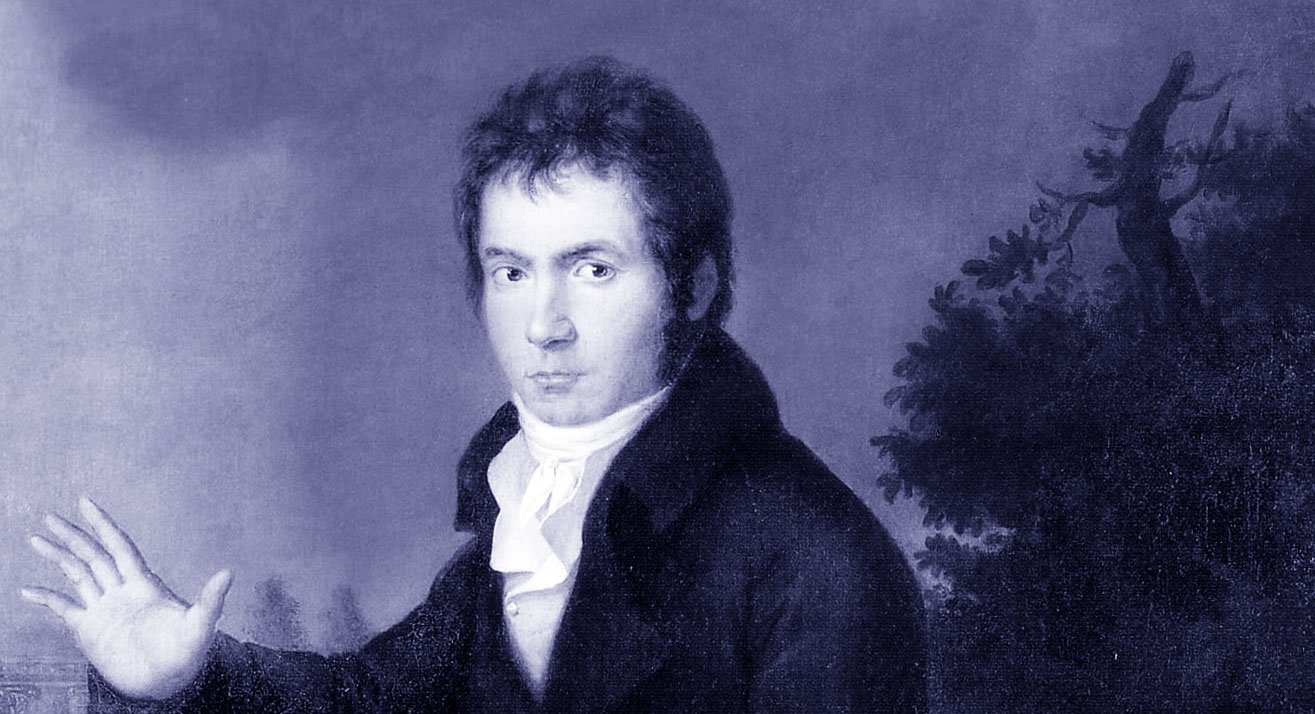
Beethoven – Leonore overture n.3
Leonore 3, one of the 4 overtures Beethoven wrote for his only opera Fidelio, is a huge symphonic fresco, often programmed as a standalone concert piece
![Josef Suk - Serenade for strings [analysis]](https://gianmariagriglio.com/wp-content/uploads/2021/06/Josef-Suk-Serenade-for-strings.jpg)
Josef Suk – Serenade for strings
A prominent figure in the Czech musical world, Josef Suk was acclaimed by some of the greatest composers of his time like Brahms and Dvořák. His string serenade is to this day one of the audiences’ favorites.

Polo – meaning, lyrics and musical analysis
Heart breaking and passionate to the bones, Polo concludes the cycle of De Falla “Siete canciones populares españolas” with a lover screaming his head off.

Canción
Second to last of the De Falla “Siete canciones populares españolas”, Canción is apparently cheerful, but an underlying anger accompanies the whole piece.

Nana – Musical analysis, meaning, and lyrics
An Andalusian lullaby, Nana is gloomy, sad, soothing and cradling, all in two pages of pure beauty as part of De Falla “Siete canciones populares españolas”

Jota
Wrapped in the upbeat rhythm of one of the most popular dances of Spain, in De Falla’s hands Jota is a tale of secret love and melancholic farewell.

Asturiana
A tree, weeping through the notes of the piano, becomes pure poetry in De Falla’s third of “Siete canciones populares españolas”, the Asturiana.

Seguidilla murciana
Second one of the “Siete canciones populares españolas”, with Seguidilla murciana De Falla keeps intact the original character of the song. With a twist.
Conducting Pills
A FREE video series with an analysis of structure, phrasing, and, of course, conducting tips of repertoire works: from Mozart to Brahms, from Beethoven to Debussy. A new episode every week!