
Score analysis
Table of contents
B
-
Beethoven - Symphony n.2 Mov.1
Beethoven - Symphony n.4 mov.1
Beethoven - Symphony n.7 mov.1
Beethoven - Leonore Overture n.3
-
Berlioz - Symphonie Fantastique: 1st movement
-
Brahms: a conductor’s approach to Symphony n.1 ~ The introduction
Brahms: a conductor’s approach to Symphony n.1 ~ The first movement
D
M
Mahler - Symphony n.2 – Movement 1
Mahler – Das Lied von der Erde – Part 1
Mahler – Das Lied von der Erde – Part 2
Mahler – Das Lied von der Erde – Part 3
-
Mendelssohn – Italian Symphony – Part 1
Mendelssohn – Italian Symphony – Part 2
-
Mozart - Symphony K504 “Prague” – 1st mov.
Mozart - Symphony n.40 K550 – 1st movement
Mozart - Symphony n.40 K550 – Movements 2-3
Mozart – Don Giovanni Ouverture
Mozart – Die Zauberflöte Overture
-
R
S
T
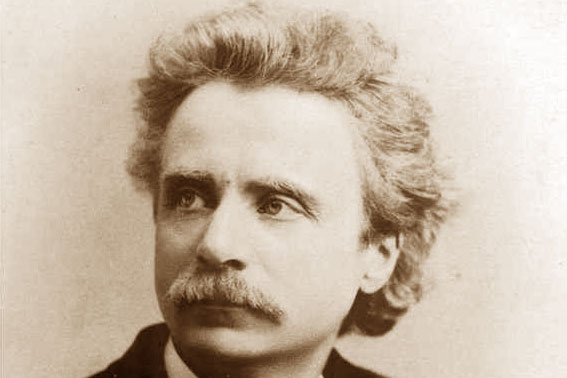
Grieg – Holberg Suite
Originally written for piano and transcribed for strings after its premiere, Grieg’s Holberg Suite is an example of 19th-century music containing a recovery of the form and musical style of previous centuries.
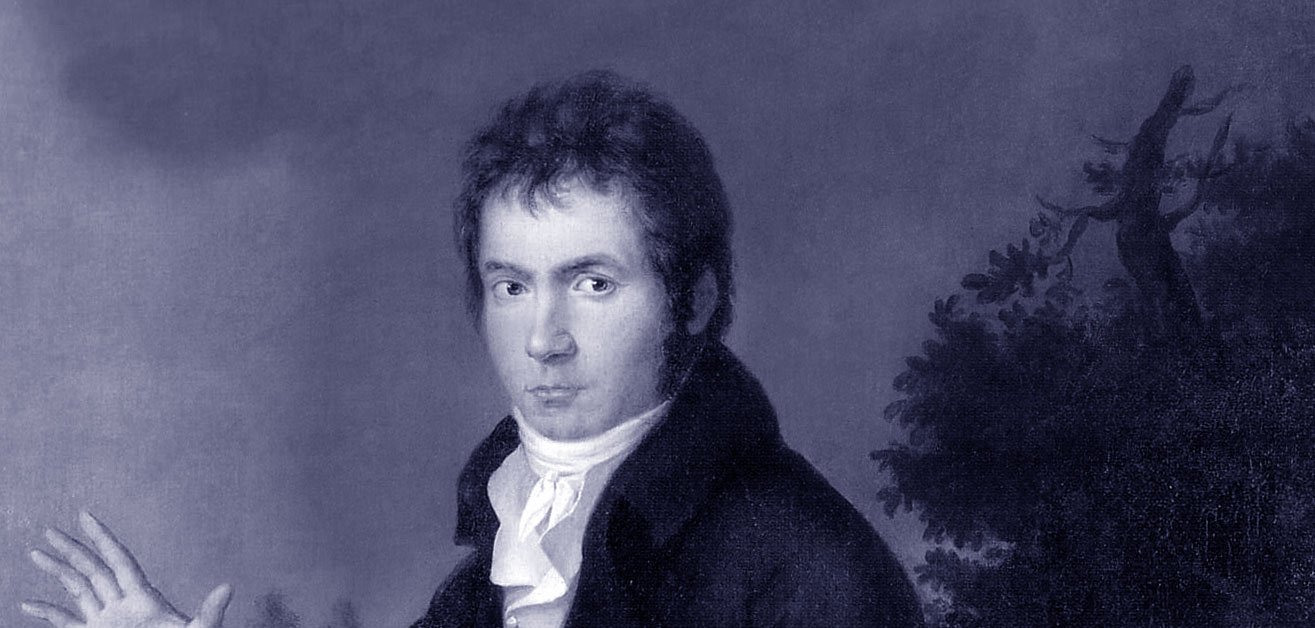
Beethoven – Symphony n.1
A dominant seventh chord that made history: this is how Beethoven’s first symphony begins.
![Mozart – Die Zauberflöte Overture [analysis]](https://gianmariagriglio.com/wp-content/uploads/2021/03/Mozart-Magic-Flute-Overture-analysis.jpg)

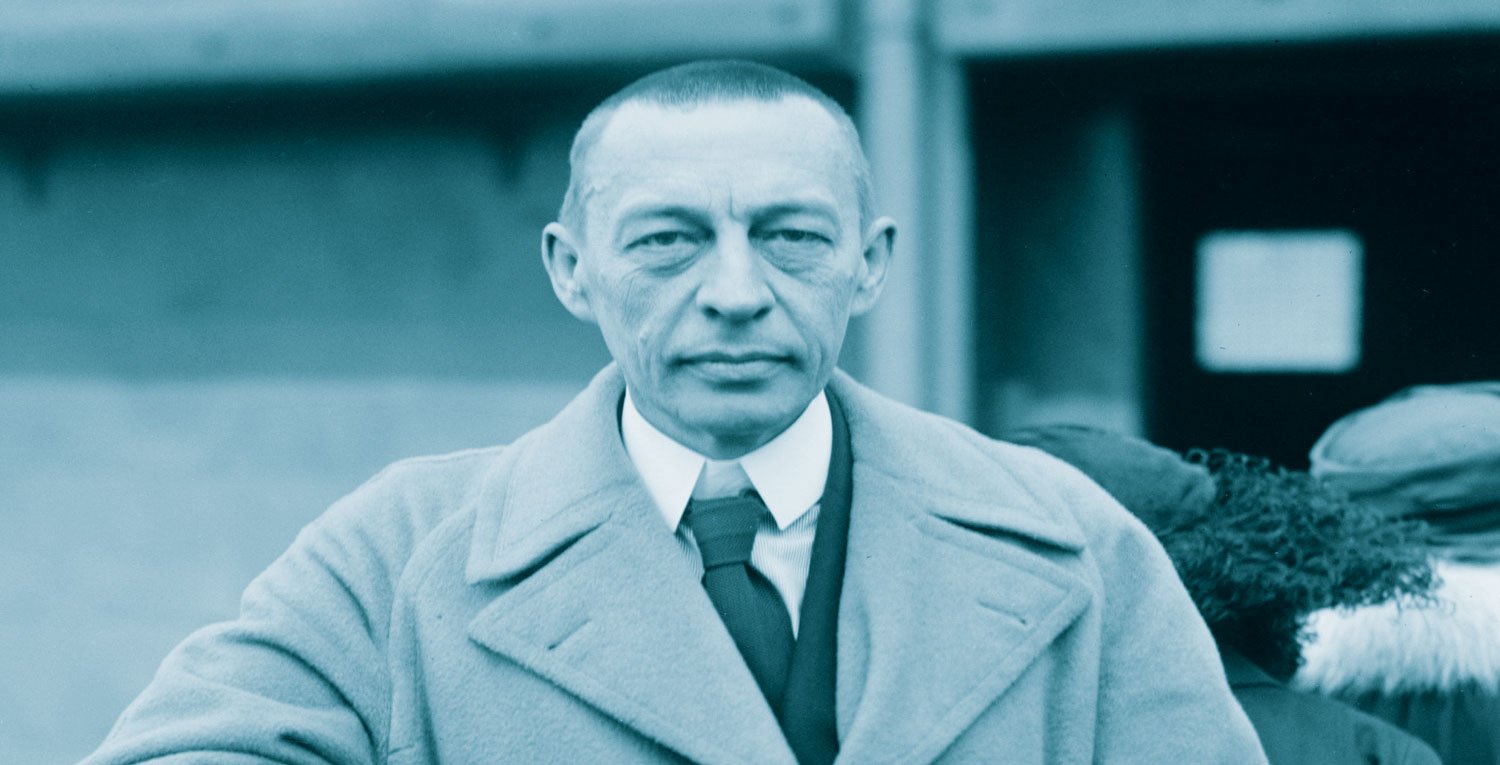
Rachmaninov – Piano concerto n.2 mov. 1 [analysis]
The luscious, passionate melody that sweeps you away; the virtuoso parts interlaced with the orchestra; and the challenges of accompanying a soloist.
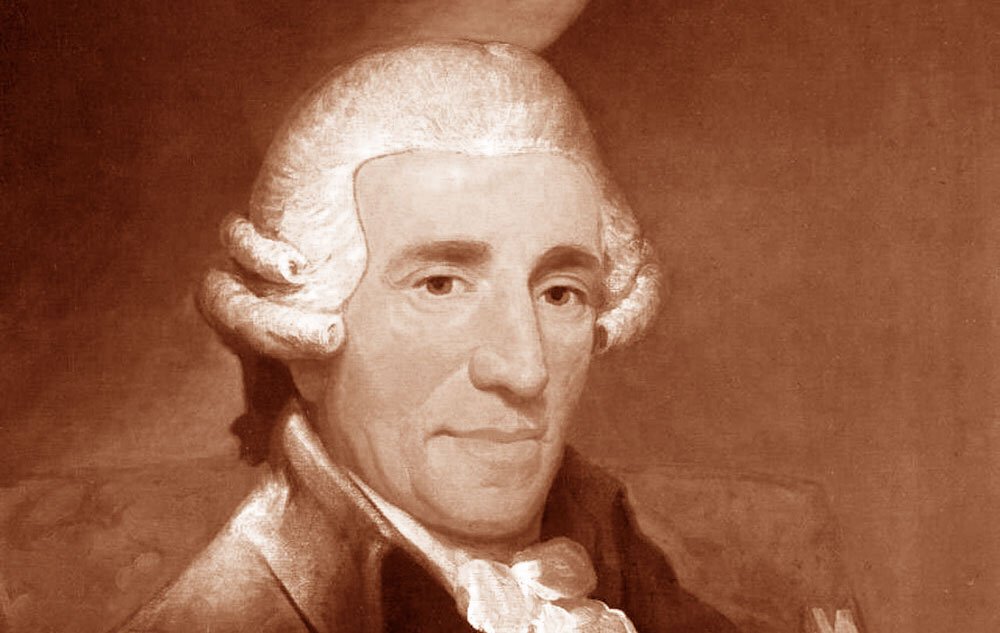
Conducting Haydn Symphony n.104 “London” [analysis]
Friend of Mozart and teacher of Beethoven; popular to the point the King of England bowed to him; father of the symphony. We’re talking about Joseph Haydn and his last symphony.
![Conducting Mozart Symphony K504 “Prague” – 1st mov. [analysis]](https://gianmariagriglio.com/wp-content/uploads/2020/10/Conducting-Mozart-Prague-Symphony-k504-analysis.jpg)
Conducting Mozart Symphony K504 “Prague” – 1st mov. [analysis]
Part of the major repertoire for any conductor, the “Prague” symphony is challenging in many ways: tempo, harmony, counterpoint.
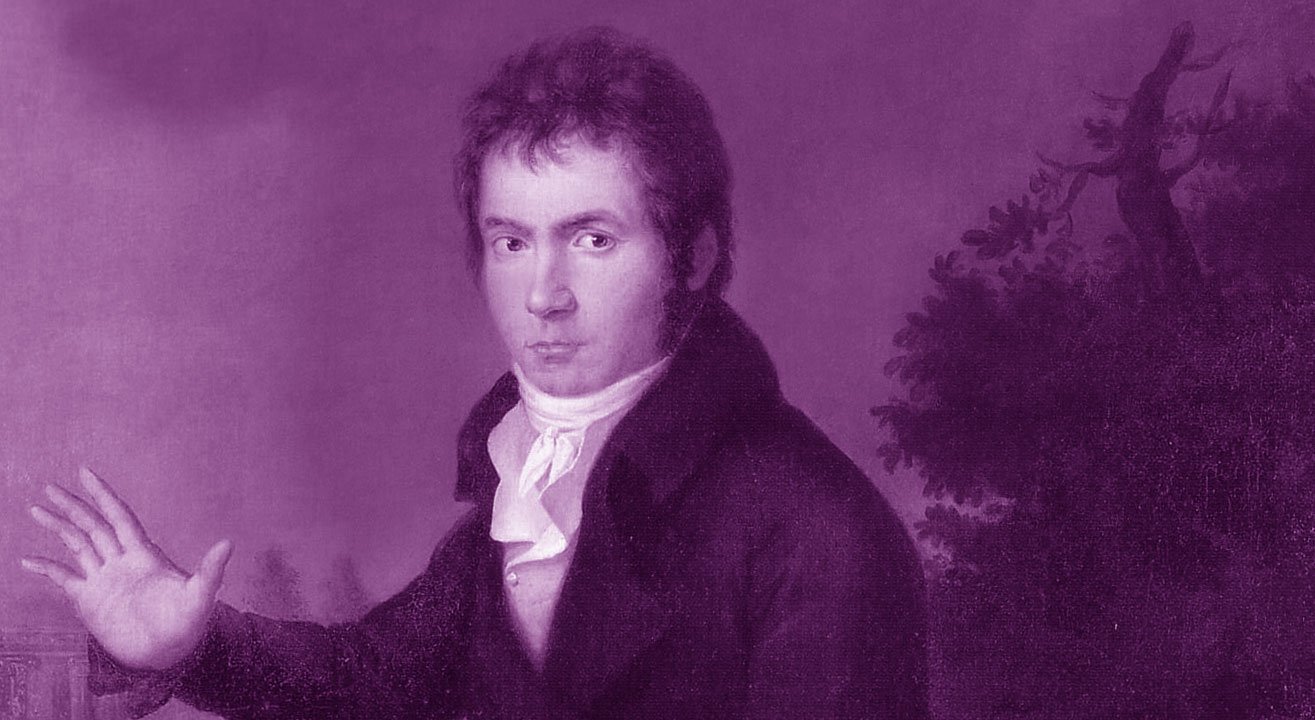
Beethoven: Symphony n.4 – mov.1 [analysis]
Full of surprises and joie de vivre: Beethoven’s 4th symphony’s structure, phrasing, harmony and conducting tips
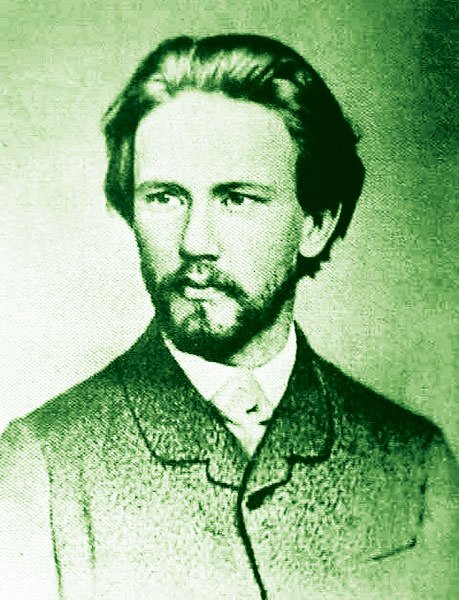
Tchaikovsky – Romeo and Juliet Overture [analysis]
At first, Romeo and Juliet was not successful either in Russia or in Europe. But a small but powerful group of musicians showed its appreciation for it: Camille Saint-Saëns, in France, and the group of five in Russia. Romeo and Juliet went from a criticized piece to one of the most loved of all times: its love theme, with its passionate melody, has sunk into our own consciousness.
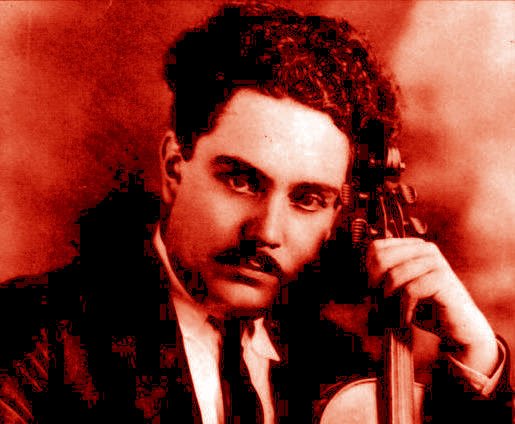
Conducting Revueltas: Sensemayá [analysis]
A Latin Rite of Spring, full of mythological dances of the Mayas and the Aztecs and a ritual ending with the killing of a tropical snake: this is Revueltas’ Sensemayá.
Conducting Pills
A FREE video series with an analysis of structure, phrasing, and, of course, conducting tips of repertoire works: from Mozart to Brahms, from Beethoven to Debussy. A new episode every week!