
Score analysis
Table of contents
B
-
Beethoven - Symphony n.2 Mov.1
Beethoven - Symphony n.4 mov.1
Beethoven - Symphony n.7 mov.1
Beethoven - Leonore Overture n.3
-
Berlioz - Symphonie Fantastique: 1st movement
-
Brahms: a conductor’s approach to Symphony n.1 ~ The introduction
Brahms: a conductor’s approach to Symphony n.1 ~ The first movement
D
M
Mahler - Symphony n.2 – Movement 1
Mahler – Das Lied von der Erde – Part 1
Mahler – Das Lied von der Erde – Part 2
Mahler – Das Lied von der Erde – Part 3
-
Mendelssohn – Italian Symphony – Part 1
Mendelssohn – Italian Symphony – Part 2
-
Mozart - Symphony K504 “Prague” – 1st mov.
Mozart - Symphony n.40 K550 – 1st movement
Mozart - Symphony n.40 K550 – Movements 2-3
Mozart – Don Giovanni Ouverture
Mozart – Die Zauberflöte Overture
-
R
S
T
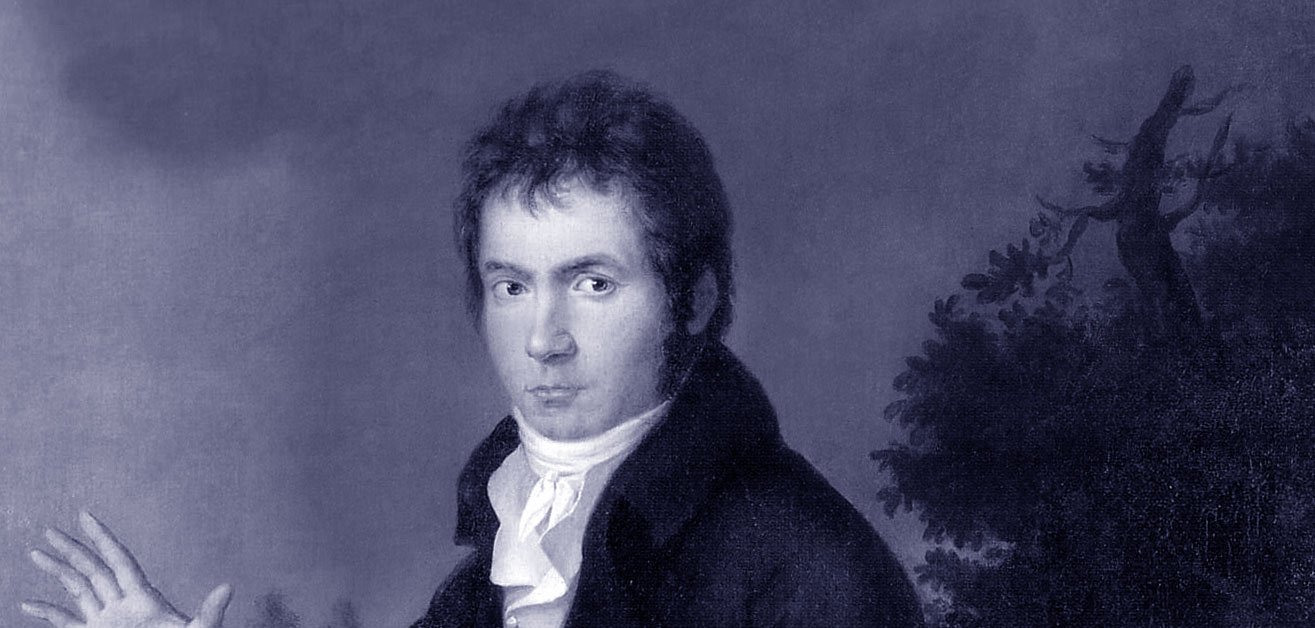
Beethoven – Symphony n.1
A dominant seventh chord that made history: this is how Beethoven’s first symphony begins.
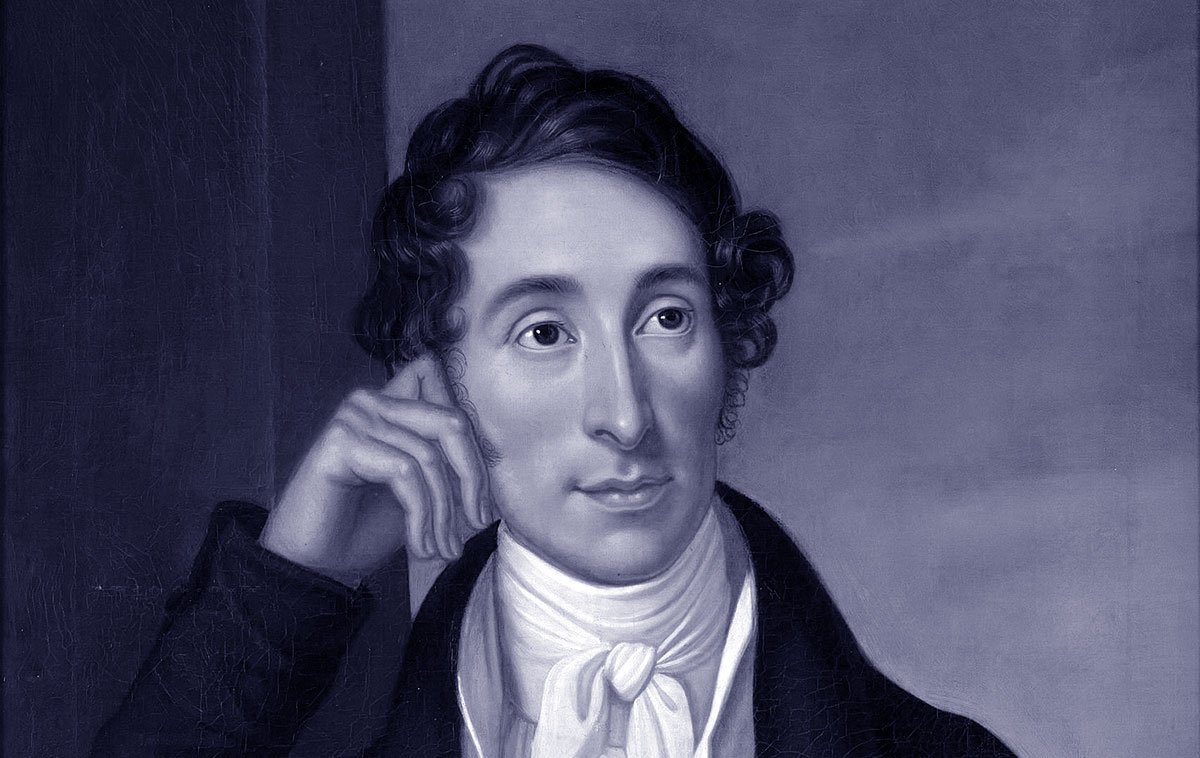
Weber – Euryanthe Overture
With the opera Euryanthe, Weber, a contemporary of Beethoven, aimed at the close union of arts already advocated by Hoffmann. A concept largely inherited by Wagner.

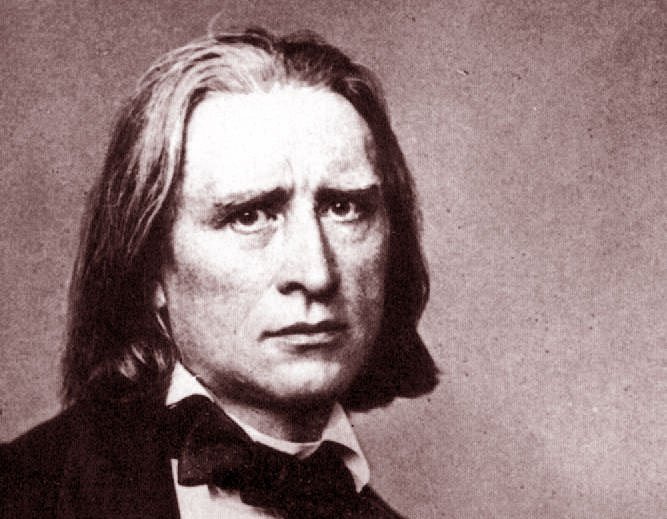
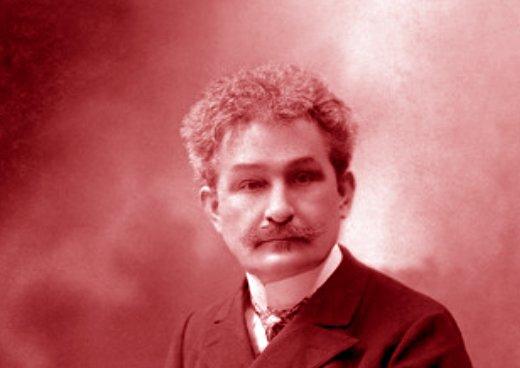
Conducting Janáček: Taras Bulba – Death of Andrei [analysis]
Taras Bulba is among Janáček most significant works for orchestra alone. Once a rare piece, this rhapsody for orchestra has now become part of the standard repertoire thanks to its sophisticated harmonic language and its undeniable passion.
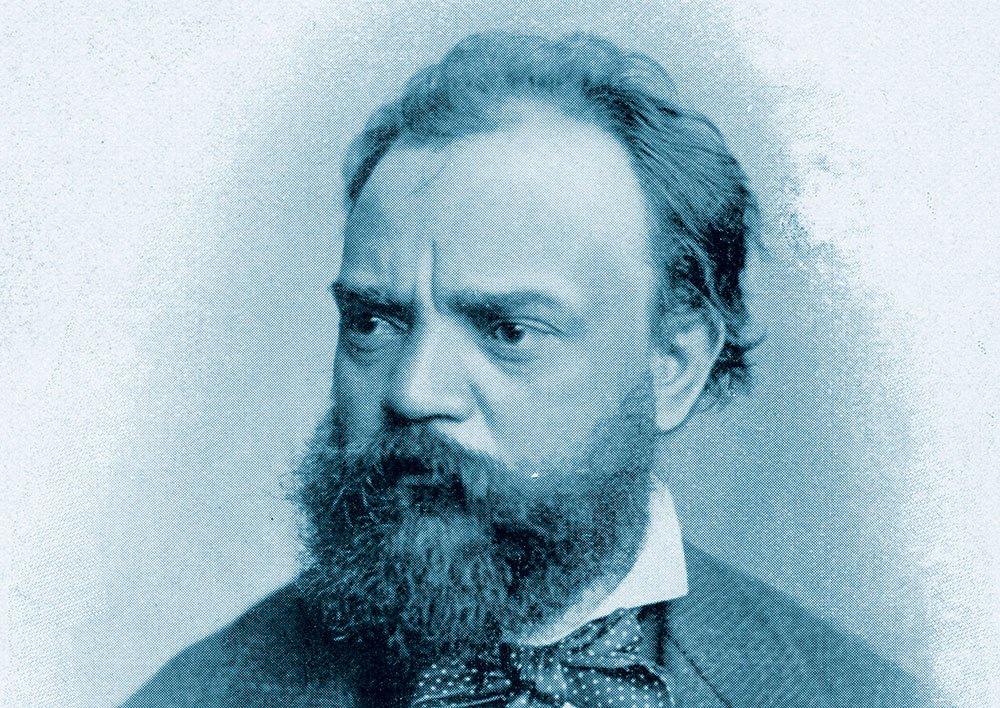
Conducting Dvořák: Symphony n.7 Mov.1 [analysis]
Culture wars and rising racism: historical context, structure, and conducting tips of the 1st movement of Dvořák’s 7th symphony
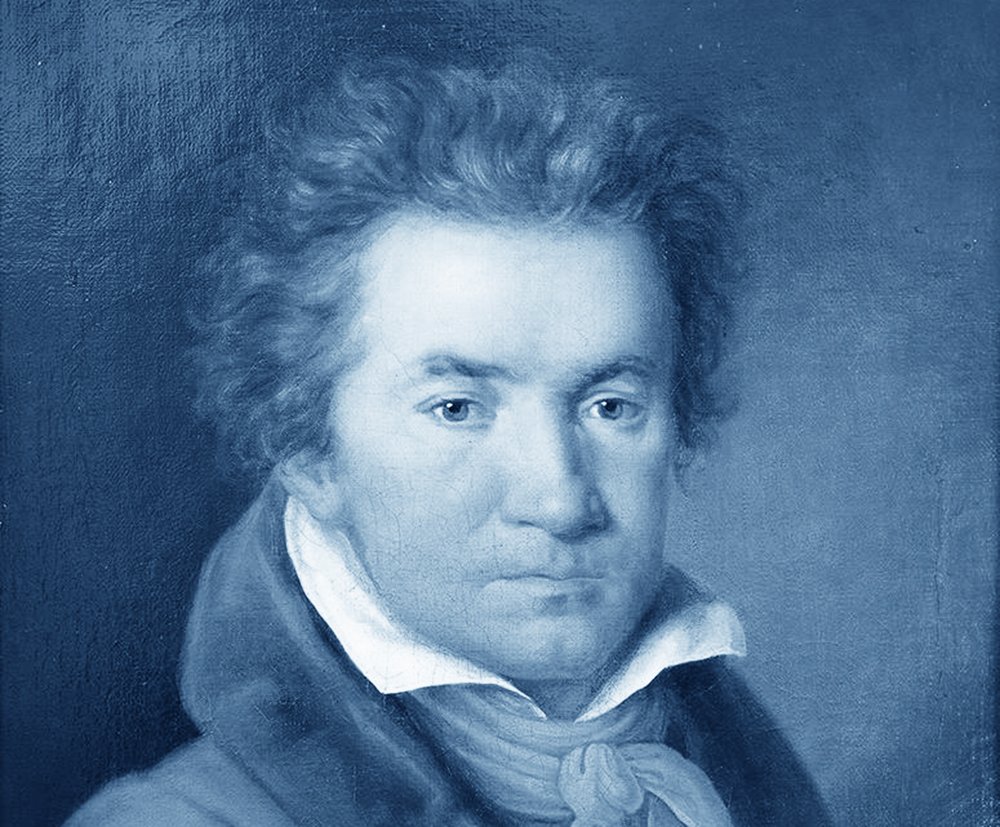
Beethoven Symphony n.7, Mov. 1 [analysis]
How does a piece of music without any description manage to raise more descriptive explanations than any other work, ranging from catacombs to political revolution? What’s the glue holding the entire symphony together? And what’s one of the biggest issues that arise when interpreting this piece?
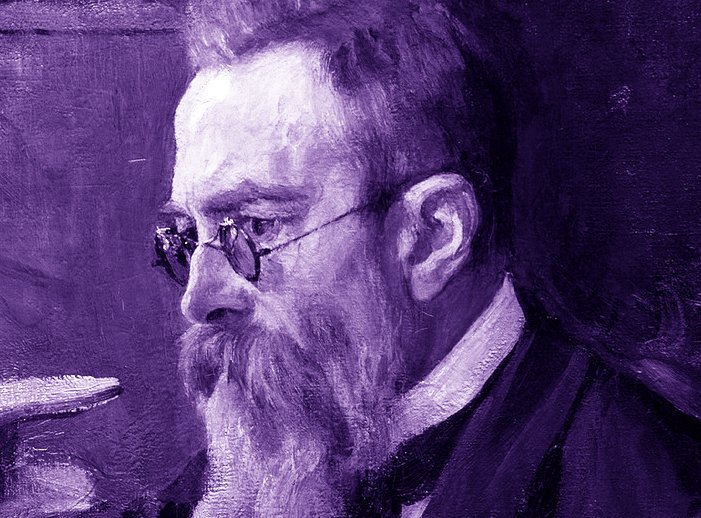
Rimsky-Korsakov: Scheherazade, 2nd movement [analysis]
How did an amateur composer manage to weave one of the most magic carpets in the history of music? How did he create a narrative sound that transports us in an exhilarating journey to the fairy tale dimension of the far east?
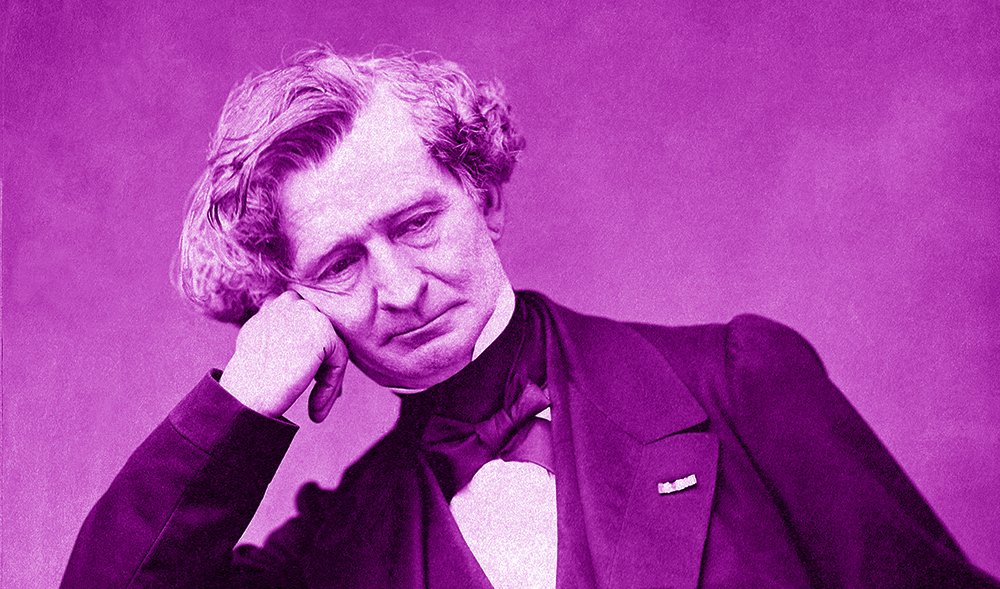
Hector Berlioz: Symphonie Fantastique [analysis] 1st movement
Certainly Berlioz’s most popular work, the Symphonie Fantastique could be defined as the first psychedelic symphony.
In this post, we’ll go through an analysis of the 1st mov. and Berlioz’s own program notes, both from 1845 and from 1855. And of course, some technical tips.

Conducting Dukas: The Sorcerer’s Apprentice
Notoriously, The Sorcerer’s apprentice was used in the Disney cartoon Fantasia. But the great popularity that it got from it also shadowed some of its unique characteristics, such as its structure and its orchestration.
Conducting Pills
A FREE video series with an analysis of structure, phrasing, and, of course, conducting tips of repertoire works: from Mozart to Brahms, from Beethoven to Debussy. A new episode every week!